23800W 9-Core Camping Stove: Fast Boils, Stable Legs
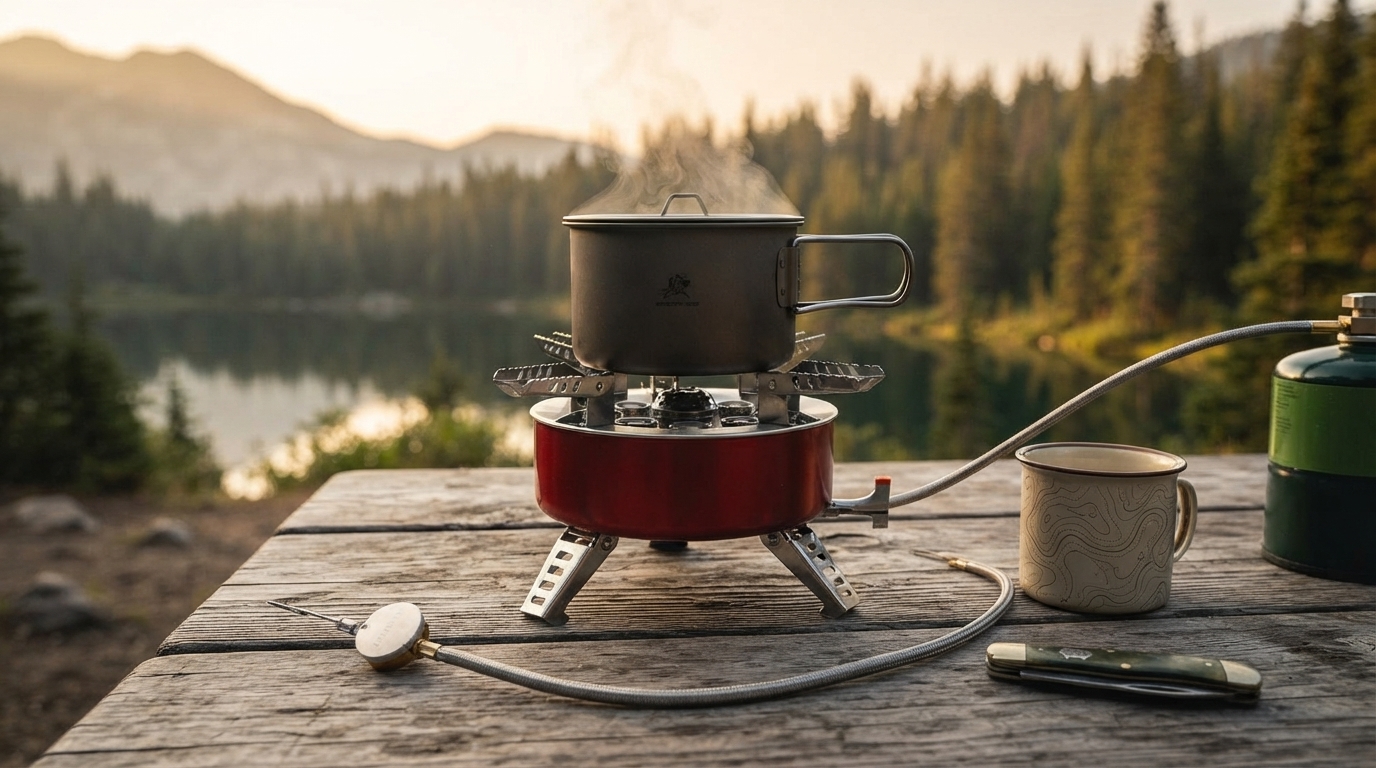
High-Power Cooking for Basecamp Meals and Big Pots
For basecamps, group trips, tailgates, and outdoor cooking that benefits from fast boil times and steady support, a high-output stove with a wide stance can make mealtime feel far less fussy. The High-Power 9-Core Portable Gas Camping Stove 23800W with Folding Legs is built for strong heat delivery while keeping transport and setup practical through folding legs and a compact, portable format. When you’re heating water for coffee, cooking pasta for a crew, or trying to get a skillet hot enough for a real sear, output and stability matter just as much as packability.
What makes this stove different
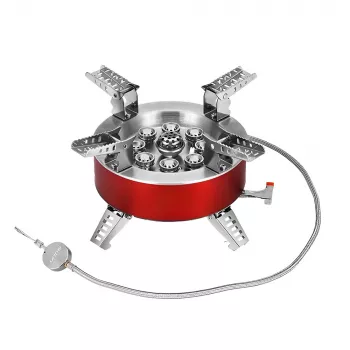
This stove is designed around two priorities: high heat for quick results and a supportive platform for larger cookware. Instead of a minimal backpacking-style burner head, it uses a 9-core burner layout intended to spread flame more evenly across wider pots and pans, which can help reduce the “center-hot, edges-cool” effect that shows up with narrow flames.
- High heat output aimed at quick boiling, searing, and cooking for more than one person at a time
- 9-core burner layout designed to distribute flame across wider cookware
- Folding legs create a broader footprint on uneven ground while still packing down for transport
- Built for outdoor use where wind, variable surfaces, and heavier pots are common
Heat and cooking performance
With a stated power rating of 23800W, this stove is positioned for high-output tasks: rapid boil, stir-fry style cooking, and heating larger volumes of water for coffee, pasta, or cleanup. In practical use, the biggest gains usually come from pairing the flame to the cookware.
- Use wider pots and pans to take advantage of multi-core flame coverage and reduce edge-cool zones
- For simmering, start at the lowest stable flame and choose thicker-bottom cookware to help prevent scorching
- If you’re seeing excessive flame licking up the sides, reduce output and re-center the pot to keep heat under the base
- Wind can reduce efficiency; a windscreen (with safe clearance and airflow) can improve fuel economy and shorten cook times
For faster boils, keep a lid on your pot, use the smallest flame that still maintains a rolling boil, and shelter the stove behind natural wind breaks like a rock, vehicle, or picnic table end (without restricting ventilation).
Stability and folding legs
A major advantage of folding-leg stoves is the broader stance. On compacted dirt, gravel, or picnic tables, that added footprint can reduce tip risk when stirring a heavy pot or moving cookware on and off the burner.
- Folding legs help create a stable stance for larger cookware on uneven ground
- A wider base can reduce tipping when stirring thick meals (chili, sauces, rice) or shifting pans
- Before lighting, confirm all legs are fully deployed and the stove does not rock; reposition to a flatter spot if needed
- Use a heat-resistant, level surface and keep the stove away from tent walls, dry grass, and other flammables
Fuel setup and compatibility considerations
Gas stoves can differ by connector type and fuel requirements, so it’s worth confirming compatibility well before a trip. The simplest “no surprises” routine is to check your cylinder type, regulator needs, and hose condition at home, then do a quick inspection again at camp.
- Confirm the fuel connector type and any regulator requirements before you leave
- In colder conditions, keep fuel canisters warmer (never near open flame) to maintain pressure and consistent output
- Inspect hoses and seals before each use; replace worn O-rings and avoid forcing connections
- After connecting fuel, test for leaks with soapy water (bubbles indicate a leak); do not use if leaking
Everyday use: setup, lighting, and cooking workflow
A consistent routine helps prevent most common issues (wobbly placement, poor ignition, and heat wasted to wind). A straightforward workflow looks like this:
Safety essentials for high-output camp stoves
High-output stoves deliver serious heat, so the safety rules are non-negotiable. Use only outdoors in well-ventilated areas; operating any fuel-burning stove in enclosed spaces can create a carbon monoxide hazard. The CDC provides general prevention guidance here: CDC — Carbon Monoxide Poisoning Prevention. For broader fire safety considerations around portable cooking equipment, consult resources like the NFPA.
Care, cleaning, and storage
Specifications and quick comparison notes
| Feature | What it means outdoors |
|---|---|
| 23800W output | Fast boiling and strong sear potential; can be fuel-hungry at full power |
| 9-core burner | Broader flame coverage for wider cookware and more even heating |
| Folding legs | Stability on uneven ground with better packability |
| Portable format | Suitable for car camping, basecamp kitchens, and outdoor events |
At-a-glance checklist
| Item to confirm | Why it matters |
|---|---|
| Fuel connector type | Ensures the correct cylinder/regulator is used |
| Cookware size/weight | Matches stove stability and flame coverage |
| Wind exposure | Affects boil time and fuel use |
| Cooking style | High heat for boils/sear vs. controllable simmering |
Who this stove fits best
More in-stock picks on Medialle
- High-Power 9-Core Portable Gas Camping Stove 23800W with Folding Legs
- Creative 6-Piece Bathroom Accessories Set
- 3 Smart & Simple Ways Millennials Can Start Investing Today (PDF)
FAQ
Is it safe to use a high-output gas stove inside a tent or enclosed shelter?
No—use it outdoors only. Enclosed spaces can trap carbon monoxide and greatly increase fire risk from open flame and hot cookware.
How can flame output be improved on windy days?
Move to a more sheltered spot, use natural wind breaks, and consider a windscreen with safe clearance so heat isn’t blown away. Keeping pots lidded also helps maintain boil speed with less fuel.
What should be checked before lighting after connecting the gas cylinder?
Confirm the connection is snug (not forced), inspect hoses and seals, and do a soapy-water leak test—bubbles indicate a leak. If you see bubbles or smell gas, do not ignite.














Leave a comment