Why Kids Hit: Gentle Parenting Scripts That Stop It
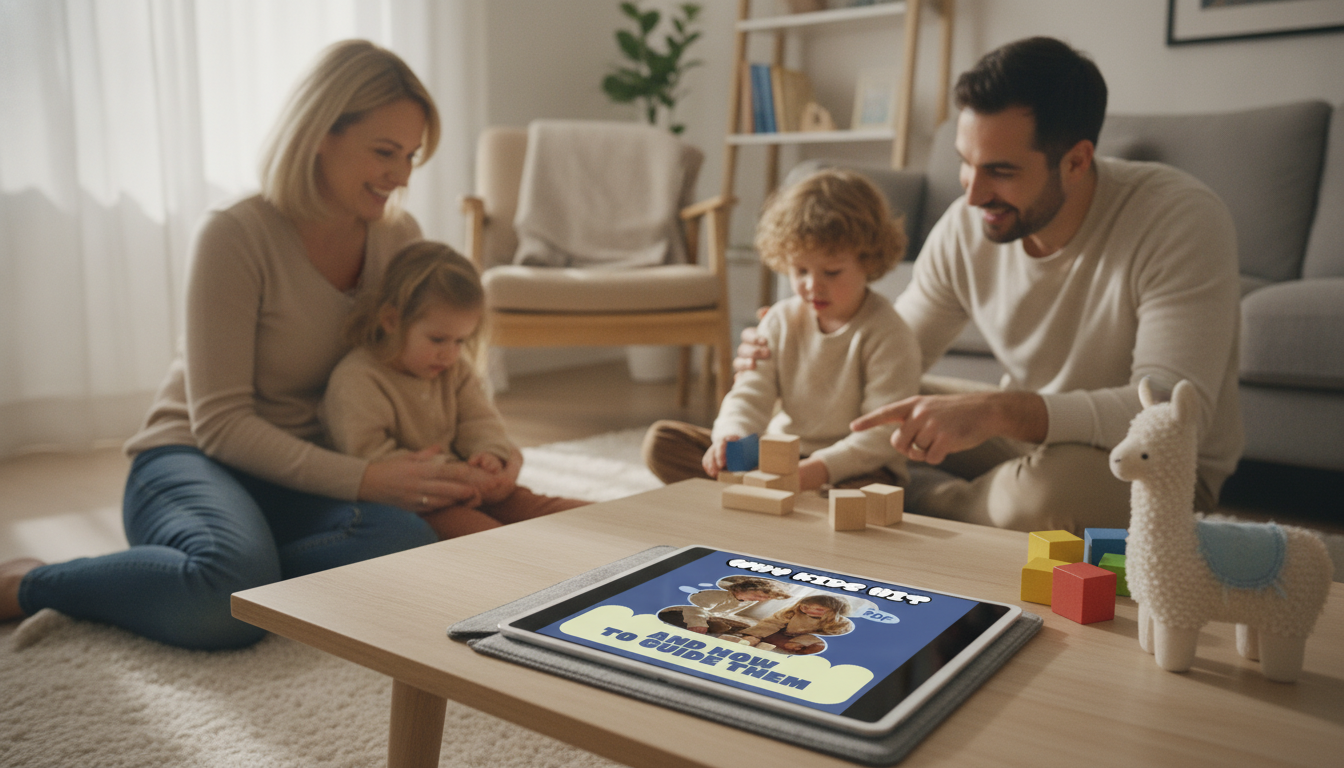
Understanding Why Kids Hit and How to Guide Them with Gentle Parenting
Hitting can feel shocking, especially when it happens in public or between siblings. For most children, it’s a form of communication that shows up before strong language, impulse control, and emotional regulation are fully developed. The goal is to keep everyone safe, understand the need behind the behavior, and teach safer ways to cope—consistently and calmly.
What Hitting Usually Means at Different Ages
Hitting looks similar on the outside, but the “why” often changes with development. Watching the overall pattern matters more than any one incident—especially the frequency, intensity, and how quickly your child can recover.
- Toddlers (1–3): big feelings, limited language, impulsive body-first reactions; grabbing and hitting often overlap.
- Preschoolers (3–5): testing limits, frustration with sharing and turn-taking, stronger opinions, still-developing empathy.
- Early elementary (5–8): social conflicts, fairness concerns, teasing, and difficulty with flexible thinking can trigger aggression.
- Look for patterns: repeated hitting, escalating intensity, or difficulty calming down points to a skills gap that needs coaching (not harsher punishment).
Common Triggers and What to Try First
| Trigger | What it can look like | First response that helps |
|---|---|---|
| Overwhelm (noise, crowds, transitions) | Sudden swat/push, quick escalation | Reduce input, move to a calmer spot, offer a simple choice |
| Frustration (blocked goal) | Hitting when toy won’t work or a sibling won’t comply | Name the feeling, help problem-solve, model a request |
| Seeking connection/attention | Hits, then watches for a big reaction | Keep response brief, give attention for gentle behavior, reconnect after calm |
| Sensory/impulse needs | Fast hands, rough play, frequent bumping | Provide heavy work, safe roughhousing rules, teach “hands down” cue |
| Protection/fear | Hits when approached or cornered | Increase space, validate fear, teach “stop” and “back up” scripts |
Why Kids Hit: The Most Common Underlying Reasons
Hitting is usually a sign that a child’s current demands exceed their current skills. The behavior may be unacceptable, but the need behind it is real.
- Limited emotion regulation: anger, jealousy, embarrassment, or disappointment rises fast, and the child lacks tools to slow down.
- Communication gaps: boundaries and needs exist, but words are missing or hard to access in the moment.
- Lagging impulse control: the body acts before the brain can choose a safer strategy.
- Unmet physical needs: hunger, fatigue, illness, or overstimulation lowers the threshold for aggression.
- Social learning: kids copy what they see in siblings, peers, media, or adult conflict (even raised voices can increase agitation).
- Power and autonomy: hitting can show up when children feel controlled, rushed, or repeatedly told “no” without alternatives.
For additional guidance on child development and discipline frameworks, credible starting points include the American Academy of Pediatrics, the CDC Essentials for Parenting, and ZERO TO THREE.
Immediate Safety Steps (Without Shaming)
When a child hits, the priority is safety—not a teachable lecture. Keep your voice steady and your words short.
- Block and separate: move close, gently hold the child’s hands if needed, and create space between children.
- Use a short, steady boundary: “I won’t let you hit. Hitting hurts.”
- Attend to the child who was hit first: quick comfort and a simple check-in reduces escalation and models care.
- Keep consequences related and brief: pause the play, move to a calmer area, or end the activity if safety can’t be maintained.
- Avoid long lectures during dysregulation: teaching sticks best after the body is calm.
After the Moment: Coaching Skills That Replace Hitting
Once the storm has passed, you can build the skills that make hitting less likely next time. Think “coach,” not “courtroom.”
- Name the feeling and the need: “You’re mad. You wanted the truck.”
- Teach a replacement phrase: “My turn,” “Stop,” “Back up,” “Help please,” or “I’m not done.”
- Practice repair: help the child check on the other person, offer an ice pack, and choose a kind action (not forced apologies).
- Role-play when calm: act out common conflicts with dolls/figures, rehearsing the words and body boundaries.
- Build a calm plan: breathing, wall push, squeezing a pillow, stomping feet in a safe spot, or asking for a break.
Gentle Boundaries That Stay Firm
Gentle parenting isn’t permissive. It’s warm, respectful, and consistently protective of safety.
Prevention: Spot Patterns and Adjust the Environment
When to Seek Extra Support
A Gentle Parenting Resource to Keep on Hand
Consistency is easier when you have scripts and a plan—especially during stressful routines like mornings, pickups, and bedtime. If you want a focused, practical resource with step-by-step coaching and repair strategies, keep this guide within reach: Understanding Why Kids Hit and How to Guide Them – A Gentle Parenting Guide Exploring kids hitting others reasons.
Caregivers also do better when chronic stress is lower. If financial stress is part of the load, a simple, beginner-friendly plan can help support long-term stability: 3 Smart & Simple Ways Millennials Can Start Investing Today | MRR Guide | Financial Freedom eBook | Passive Income for Beginners | 3 Ways Millennials Can Invest PDF.
FAQ
Is hitting normal for toddlers?
It’s common for toddlers because impulse control and language skills are still developing. Set a firm safety boundary, block the hit, and teach simple replacement actions (like “hands down” and “help please”). Seek extra support if it’s frequent, severe, or not improving over time.
Should a child be forced to apologize after hitting?
Forced apologies often create compliance without empathy. Focus on calming first, then guide repair—checking on the hurt person, offering help, and practicing the words your child can use next time. Genuine accountability grows from repeated coaching and safe boundaries.
What should be said in the moment when a child hits?
Keep it brief: “I won’t let you hit. Hitting hurts.” Comfort the child who was hit, help the hitter calm, and coach a replacement phrase once your child is regulated.













Leave a comment