Elevated Ceramic Pet Bowl & Solid Wood Stand Guide
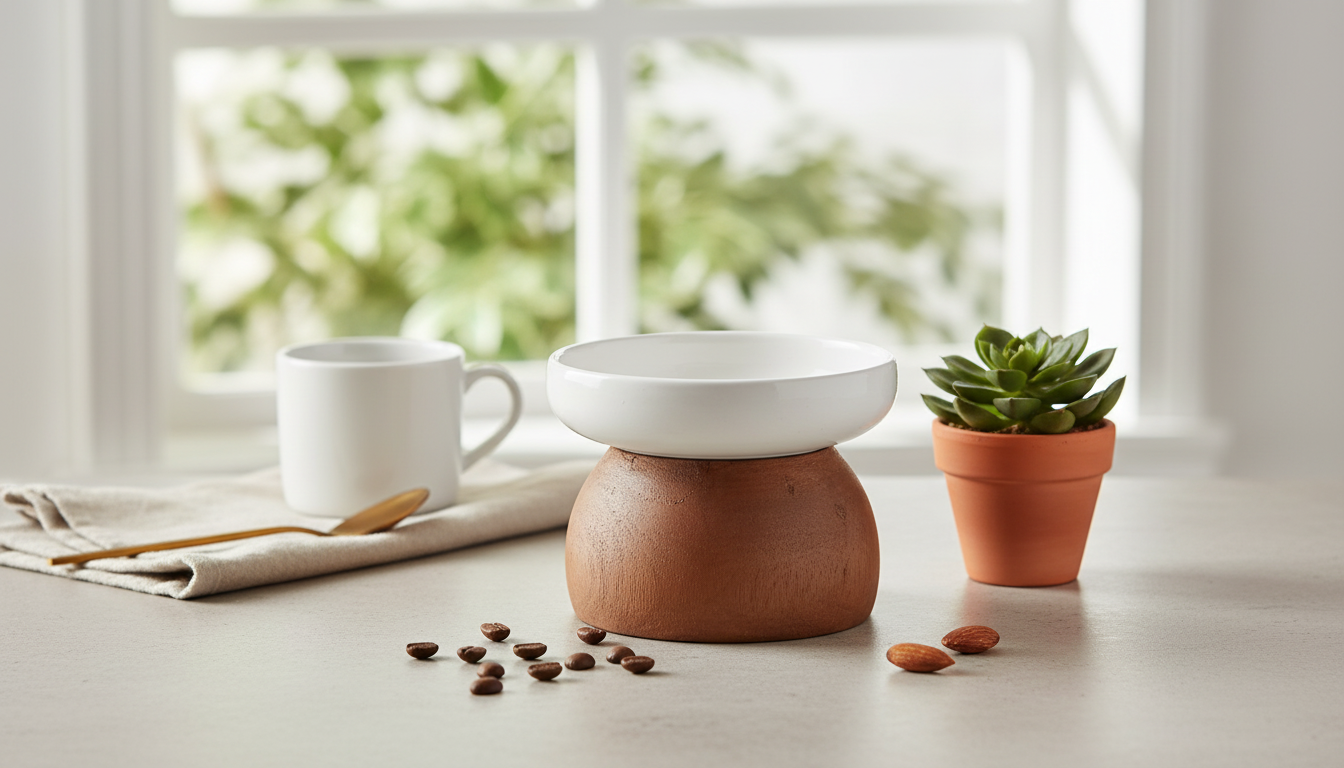
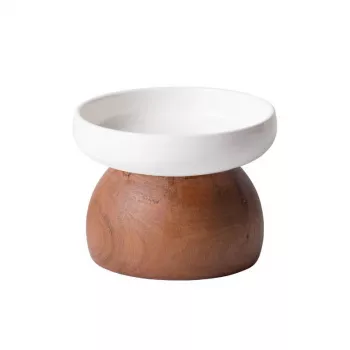
Elevated Ceramic Pet Bowl with Solid Wood Stand
A raised feeding setup can make mealtimes tidier, more comfortable, and easier to manage—especially for pets that prefer less neck bending or for homes that want a stable bowl that stays in place. This elevated ceramic bowl paired with a solid wood stand combines everyday practicality with a clean, furniture-like look.
What an elevated bowl setup changes at mealtime
Moving a food or water bowl off the floor seems like a small upgrade, but it can noticeably shift how a pet eats and how a feeding area looks and stays clean.
- Reduces the need for pets to crouch low, which can be more comfortable for some animals (especially seniors).
- Helps keep bowls from drifting across the floor, supporting calmer, less messy eating.
- Creates a dedicated feeding “station,” which can support routines and easier cleanup.
- Keeps the bowl off the floor surface, which can help separate food and water areas from dust and debris.
For pets that tend to “chase” their bowl or splash water, a raised station can also help define boundaries—food stays where it belongs, and your floors see fewer puddles and crumbs.
Materials that matter: ceramic bowl + solid wood stand
Not all pet bowls wear the same over time. Material choice affects odor retention, stability, and how the bowl looks next to the rest of your home furnishings.
- Ceramic is non-porous when properly glazed, which can help resist odors and staining compared with some plastics.
- Ceramic has weight, which can improve stability during enthusiastic eating or drinking.
- A solid wood stand brings height, rigidity, and a furniture-style appearance that fits living spaces.
- Look for smooth edges and a well-seated bowl fit so the dish sits securely in the stand.
If you’ve ever picked up a lightweight bowl with a slippery base and found bits of kibble underneath, you already know how important “stays put” can be—especially on tile, laminate, or hardwood.
Sizing and fit: choosing the right height and bowl capacity
The most important “feature” of an elevated bowl is fit. Height that’s perfect for one pet can feel awkward for another, even within the same weight range.
- Height: the top of the bowl is often most comfortable when it sits near the pet’s lower chest level; pets shouldn’t need to hunch or stretch upward.
- Bowl width: wide enough for whisker comfort in cats and for larger muzzles in dogs, without forcing awkward angles.
- Capacity: match daily feeding style (multiple small meals vs. larger portions) and water needs.
- Stability: heavier bowls and sturdy stands can help prevent tipping, especially for fast eaters.
Quick fit check before buying
| Pet type | What to measure | Good sign | Watch out for |
|---|---|---|---|
| Small dogs & cats | Floor to lower chest | Neck stays neutral while eating | Bowl too deep/narrow causing whisker or muzzle contact |
| Medium dogs | Floor to lower chest | No hunching; bowl stays put | Stand too light or slides during meals |
| Senior pets | Comfort during eating over several minutes | Less crouching; easier swallowing posture | Any sign of discomfort or refusal to eat from raised height |
When trying a new height, watch your pet for a few meals rather than judging in the first 30 seconds. A comfortable setup typically looks calm: level back, neutral neck, and no repeated repositioning.
Everyday care and cleaning
A feeding station works best when it’s easy to keep fresh. Ceramic and solid wood are straightforward to maintain with a few simple habits.
- Wash the ceramic bowl regularly with mild dish soap; rinse thoroughly to avoid residue.
- Check for chips or cracks in ceramic; replace damaged bowls to avoid sharp edges and bacteria traps.
- Wipe the wood stand with a lightly damp cloth; dry promptly to protect the finish and reduce warping risk.
- Place a small mat under the station if floors are slippery or if splashes are common.
For broader pet care and feeding best practices, reputable guidance from the American Veterinary Medical Association (AVMA) and nutrition tips from the AKC can be helpful references as you refine routines at home.
Who benefits most from a raised feeding station
Product highlights at a glance
- Product: Elevated Ceramic Pet Bowl with Solid Wood Stand
- In stock (current listing): 100 units
- Price: $48.97 USD
- Designed to combine a stable elevated stand with a washable ceramic dish for daily feeding.
- Works well as a simple, attractive feeding station for many cats and dogs (size fit depends on your pet’s measurements).
Pair it with a tidy-home essential
If you like the idea of a feeding station that looks intentional, you may also want an organized countertop or sink area for quick wipe-downs and daily routines. The Creative 6-Piece Bathroom Accessories Set is an in-stock home add-on that can help keep frequently used items neatly contained—useful when your day already includes pet dishes, towels, and cleanup supplies.
FAQ
Are elevated bowls better for dogs and cats?
They can be, especially when the height supports a neutral neck posture and the setup reduces slipping or mess. Comfort varies by pet, so watch eating behavior and posture over several meals, and check with a veterinarian if your pet has medical concerns or seems uncomfortable.
How do you clean a ceramic pet bowl and wood stand safely?
Wash the ceramic bowl with mild dish soap and rinse well, then inspect it regularly for chips or cracks. For the wood stand, wipe with a lightly damp cloth and dry promptly to help protect the finish and prevent warping.
What height should an elevated pet bowl be?
A practical starting point is positioning the top of the bowl near your pet’s lower chest so they don’t need to hunch down or stretch up. The best height is the one that keeps the neck neutral and looks comfortable throughout the meal, especially for puppies, seniors, or pets with neck or joint issues.










Leave a comment