Tiny Room Decorating Ideas: Storage, Light & Layout Tips
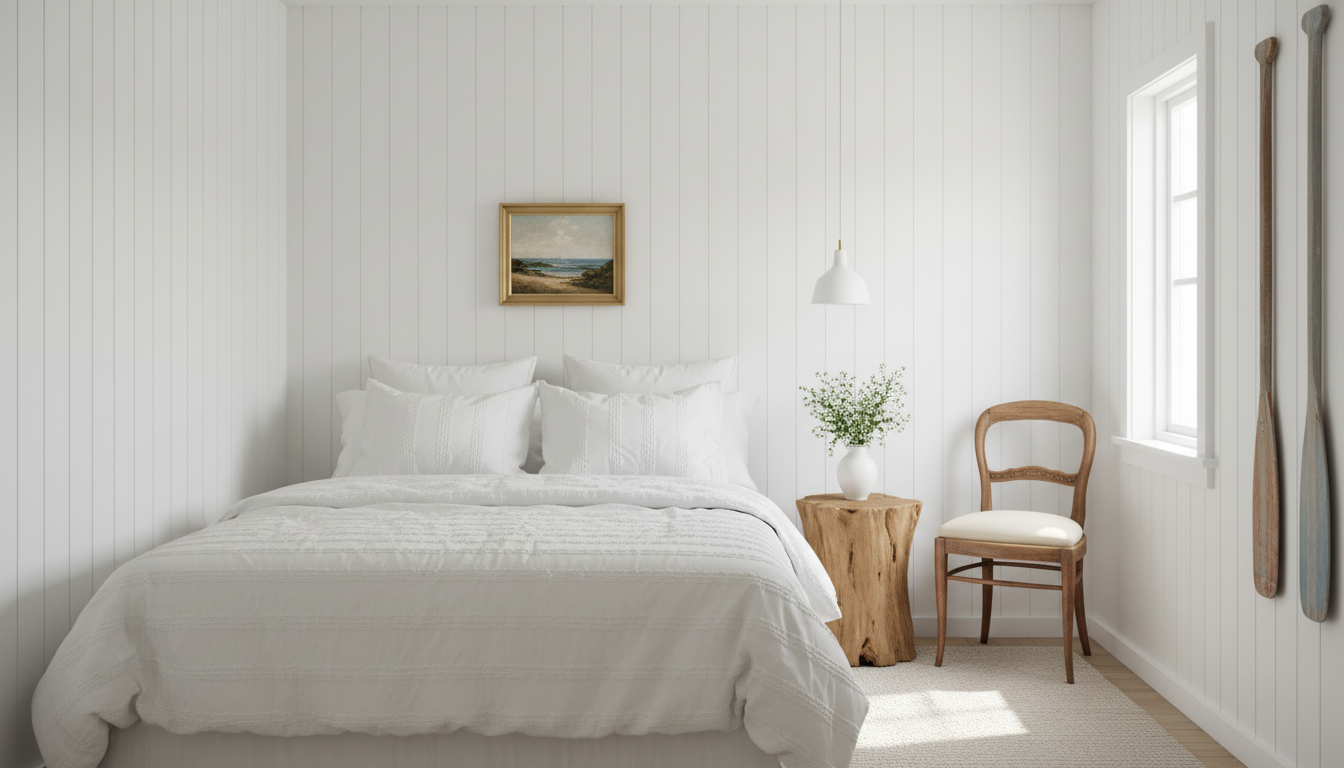
Smart Decorating Solutions for Tiny Rooms: Make Every Square Foot Feel Intentional
Small rooms don’t need to feel chaotic or “temporary.” When layout, storage, and visual balance support how the room actually gets used, even a tight apartment bedroom or studio can feel calm, styled, and easy to maintain. The goal isn’t to cram in more—it’s to make the essentials work harder through simple zoning, multi-use furniture, layered lighting, and storage that disappears into the background.
Start With a Mini Plan: Measure, Map, and Define the Room’s Jobs
A tiny room rewards planning because every inch impacts flow. Before buying shelves, a new chair, or “one more” storage bin, start with a quick map of what you have and what you need.
- Measure wall lengths, ceiling height, window/door swings, and radiator/vent locations before buying anything.
- List the room’s “jobs” (sleep, work, dining, relaxing, storage) and rank them by daily importance.
- Keep clear pathways (generally 24–30 inches) so the room feels calmer and functions better.
- Choose one focal point per zone (a bed wall, a desk nook, a reading chair) to prevent visual clutter.
| Checkpoint | Why it helps | Fast way to apply it |
|---|---|---|
| Pathways stay open | Reduces cramped feeling and tripping hazards | Tape a 24–30 in route from door to main areas |
| Furniture matches scale | Oversized pieces dominate tiny rooms | Prioritize slim arms, open legs, low backs |
| Zones are defined | Prevents “everything everywhere” look | Use a rug, lamp, or shelf to mark each zone |
| Storage is planned | Avoids piles forming on surfaces | Assign a home to every category (shoes, bags, papers) |
Use Vertical Space Without Making the Room Feel Heavy
Vertical storage is one of the easiest ways to reclaim floor space, but the trick is keeping the room visually balanced.
- Install wall shelves above desks, dressers, and doorways to capture unused height.
- Choose tall, narrow storage (bookcases, wardrobes) rather than wide, low pieces when floor area is limited.
- Keep the highest shelves for lightweight, low-use items; store daily items between shoulder and hip height.
- Balance tall elements on opposite sides of the room so one corner doesn’t feel top-heavy.
If one wall has a tall bookcase, counter it with a floor lamp or high art placement on the opposite side. This “visual leveling” makes small rooms feel more intentional instead of stacked.
Pick Multi-Use Pieces That Earn Their Footprint
In tight quarters, furniture should solve at least two problems: function plus storage, or comfort plus flexibility.
- Look for storage beds, lift-top coffee tables, nesting tables, and ottomans that double as seating and stashing.
- Consider wall-mounted drop-leaf tables for dining or work that disappear when not needed.
- Choose furniture with exposed legs or open bases to keep sightlines clear and make the room feel larger.
- When one piece can do two jobs, eliminate a second piece entirely rather than adding more.
Multi-use swaps that save space
| Instead of | Choose | Best for |
|---|---|---|
| Bulky coffee table | Lift-top storage table | Living rooms that also act as work areas |
| Extra dining chairs | Stacking or folding chairs | Studios and small kitchens |
| Wide nightstands | Wall shelf + sconce | Tight bed clearances |
| Large media console | Floating shelf + cable management | Small living rooms and bedrooms |
If decision fatigue is slowing progress, the Smart Decorating Solutions for Tiny Rooms eBook can help streamline layouts and purchases so you’re not buying pieces that technically fit, but don’t function well day to day.
Make Storage Invisible: Contain, Label, and Close It Up
Small rooms look “messy” faster because mixed items create visual noise. The fix is simple: contain categories, reduce what’s visible, and make putting things away frictionless.
For bathrooms, grouping daily-use items into a coordinated set helps counters stay clear. The Creative 6-Piece Bathroom Accessories Set is an easy way to unify essentials so they look intentional instead of scattered.
Light, Color, and Mirrors: Expand the Feel Without Expanding the Room
For lighting terminology and how to combine fixture types, the American Lighting Association is a helpful reference. If you’re sensitive to dust, humidity, or odors in compact homes, the EPA’s indoor air quality basics can guide choices like washable textiles and ventilation-aware furniture placement.
Style With Restraint: Fewer, Larger Statements Beat Many Small Items
Room-by-Room Moves for Studios and Apartments
A Simple Reset Routine to Keep Small Spaces Looking Styled
A Guided Option for Faster Results
- For step-by-step layouts, shopping checklists, and space-saving styling ideas, use the Smart Decorating Solutions for Tiny Rooms eBook as a structured companion.
- Works well when decisions feel overwhelming: it reduces trial-and-error and helps prioritize purchases that actually fit the room.
- Ideal for apartments and studios where storage, flow, and visual calm need to work together.
FAQ
What makes a small room feel bigger without remodeling?
Keep pathways open, limit oversized furniture, and use a cohesive light-to-mid color palette. Layer lighting to reduce shadows, add vertical storage, and place mirrors to reflect windows or lamps rather than clutter.
How should furniture be arranged in a studio apartment?
Create zones with rugs and lighting, and float key pieces to define areas without blocking circulation. Maintain a clear route from the entry toward the window, and prioritize multi-use items plus closed storage to avoid surface pile-ups.
What are the best storage solutions for tiny bedrooms?
Under-bed bins, wall shelves, slim wardrobes, over-door organizers, and storage ottomans deliver the most capacity with minimal footprint. Keep daily-use items within easy reach and move seasonal categories to higher shelves.










Leave a comment