Clear Home Walkways: Simple Systems for High-Traffic Areas
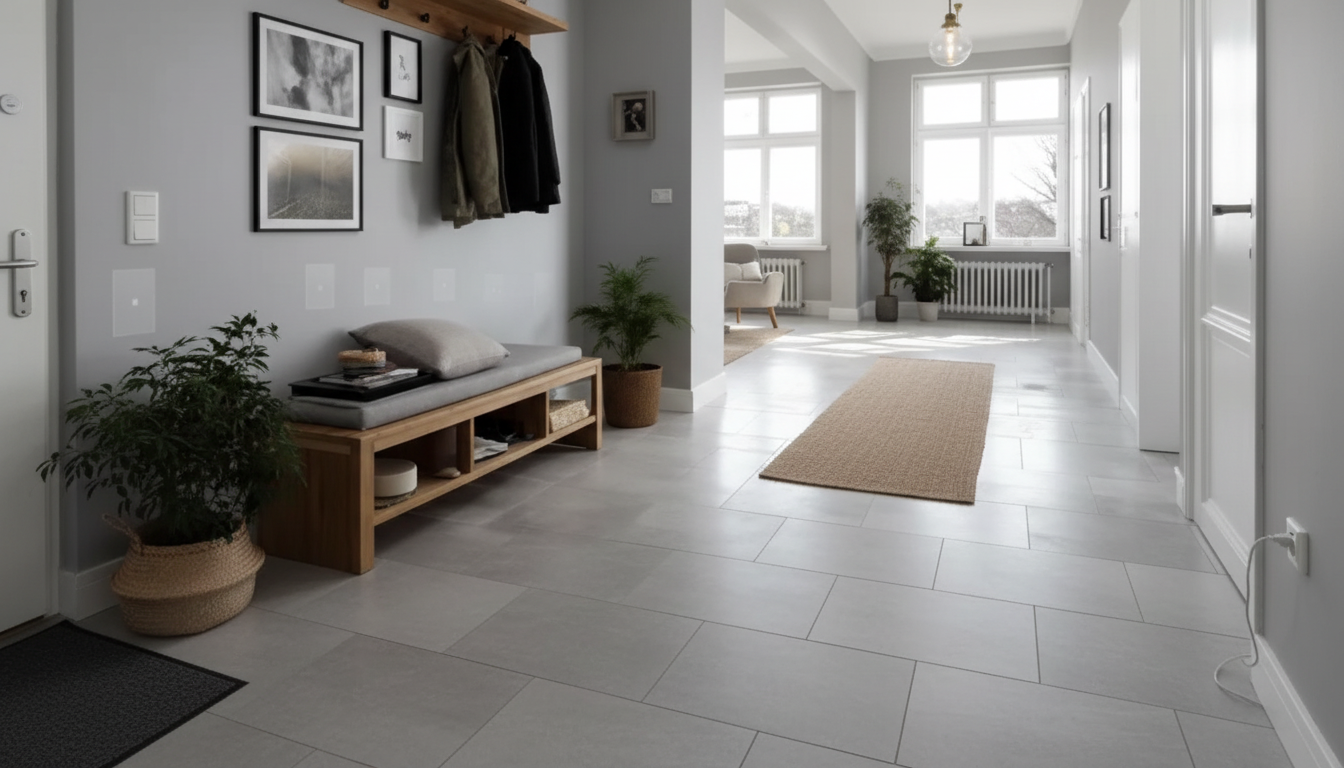
Clear Pathways at Home: A Practical System for Keeping High-Traffic Areas Open
Busy hallways, entryways, kitchens, and stairs collect “just for now” items fast—shoes, bags, mail, toys, and cords that quietly shrink walkways and add stress. A clear-pathway plan focuses on flow first: define where people move, remove friction, and set up small, repeatable resets that keep clutter from returning. The goal isn’t a perfect house; it’s a home where you can walk, carry groceries, and move safely without constant obstacle courses.
Keeping walking-working surfaces clear also matters for safety. Trip hazards and cluttered transitions raise fall risk, especially around stairs and thresholds. For practical background on fall risks, see the CDC’s Important Facts about Falls and OSHA’s overview of walking-working surfaces.
Start With Flow: Identify Your Home’s “Walk Lines”
Before buying bins or reorganizing a closet, identify the routes your household naturally uses.
- Do a 2-minute walkthrough at peak times (morning rush, after school, dinner) and note where bodies naturally travel.
- Mark pinch points: door swings, stair landings, corners near couches, and the space between counters and islands.
- Set a minimum clear width goal for main paths; prioritize safety around stairs, thresholds, and any area where people carry laundry, groceries, or kids.
- Treat walk lines as “no-storage zones”: nothing lives on the floor or within easy kick range.
A helpful rule: if something regularly ends up in the walk line, it’s not “a people problem”—it’s a system problem. Fix the landing spot, not the person.
Declutter by Category, Then by Location (Fastest Path to Visible Change)
High-traffic clutter is predictable, so start with the repeat offenders and make quick decisions.
- Pull the repeat offenders first: shoes, backpacks, coats, mail, packages, pet gear, sports equipment, charging cables, and reusable bags.
- Sort into four bins: Keep Here, Move Elsewhere, Donate/Sell, Trash/Recycle.
- Only return items to a spot that supports the walk line—if an item blocks movement, its “home” is wrong even if it’s convenient.
- Use a one-week “quarantine box” for uncertain items; if not used, it leaves the pathway zone.
If you want a deeper, room-by-room method you can follow without overthinking, pair this declutter pass with the companion guide Clear Pathways: Mastering High-Traffic Spaces at Home | How to Keep High Traffic Areas Clear | Home Organization Guide for Clutter-Free Living.
Build Drop Zones That Prevent Piles
Drop zones work when they’re specific, sized correctly, and close to the action. Build them where piles already happen—then reduce the number of decisions people need to make.
- Entryway: create a single landing zone for keys/wallets, a shoe boundary, and a bag hook or cubby per person.
- Kitchen: establish a paper landing spot (one tray or folder) to stop counters from becoming mail stations.
- Living room: place one “basket for drift” near the main seating area for quick pickups (remotes, toys, chargers).
- Stairs: add a strict rule—nothing parks on steps; use a carry basket at the bottom/top for items that need to move, then empty it once per day.
High-Traffic Zone Fixes (Choose One Solution per Problem)
| Zone | What Collects There | Simple Containment | Daily Reset (minutes) |
|---|---|---|---|
| Entryway | Shoes, bags, packages | Shoe tray + hooks + small catchall bowl | 2–4 |
| Hallway | School papers, jackets, cords | Wall hooks + slim bin or lidded basket | 2–3 |
| Kitchen walkway | Small appliances, mail, bottles | One counter tray + relocate seldom-used items | 3–5 |
| Stairs/landing | Laundry, toys, “take upstairs” items | Carry basket (empty nightly) | 2–5 |
| Bathroom route | Towels, products, hair tools | Closed container + designated caddy per person | 2–4 |
Use “Boundaries” Instead of More Storage
More storage can make clutter look organized while still spilling into walkways. Boundaries prevent spread.
- Give clutter a visible edge: trays, baskets, and mats define where items may rest without spreading into the pathway.
- Set a maximum: one shoe tray, one mail tray, one drift basket. If it overflows, it triggers a 5-minute clear-out.
- Prefer vertical solutions where possible (hooks, wall-mounted organizers) to keep floors and walkways open.
- Choose closed storage in visual-heavy areas (living room, entry) to reduce the feeling of mess even when life is busy.
For bathrooms, closed containers and matching pieces make it easier to keep counters and the route to the sink clear. If you’re refreshing that zone, consider the Creative 6-Piece Bathroom Accessories Set as a coordinated way to corral daily-use items.
Create a Two-Tier Reset Routine (Micro + Daily)
Clear pathways don’t stay clear because someone does a huge clean every Saturday. They stay clear because tiny resets happen at the right moments.
Keep Pathways Clear With Household Agreements That Actually Stick
Also remember emergency egress: exits and routes should stay unobstructed. NFPA guidance on home fire escape planning reinforces why pathways matter beyond everyday convenience.
A Step-by-Step Plan for the Highest-Traffic Spots (Entry, Kitchen, Stairs)
FAQ
How wide should a clear pathway be in a home?
Aim for a comfortable, unobstructed walkway that lets two people pass or allows you to carry items without turning sideways. Needs vary based on furniture layout, household size, and mobility aids, but stairs, thresholds, and exits should always be fully clear.
What’s the fastest way to stop clutter from returning to the entryway?
Limit the containers (one shoe boundary, one catchall, one spot for papers), add hooks at an easy-to-reach height, and run a nightly 2-minute reset. Move “maybe” items into a one-week quarantine box so they don’t linger where people walk.
How can high-traffic areas stay clear with kids and pets?
Assign one bin per child for quick pickups, use closed containers to reduce visual mess, and build a short “before bedtime” routine to reset floors first. Store pet leashes, wipes, and bags near the door in a defined zone that doesn’t cross the main walk line.















Leave a comment