20-Inch Kids Bike: Carbon Steel Frame + V-Brakes
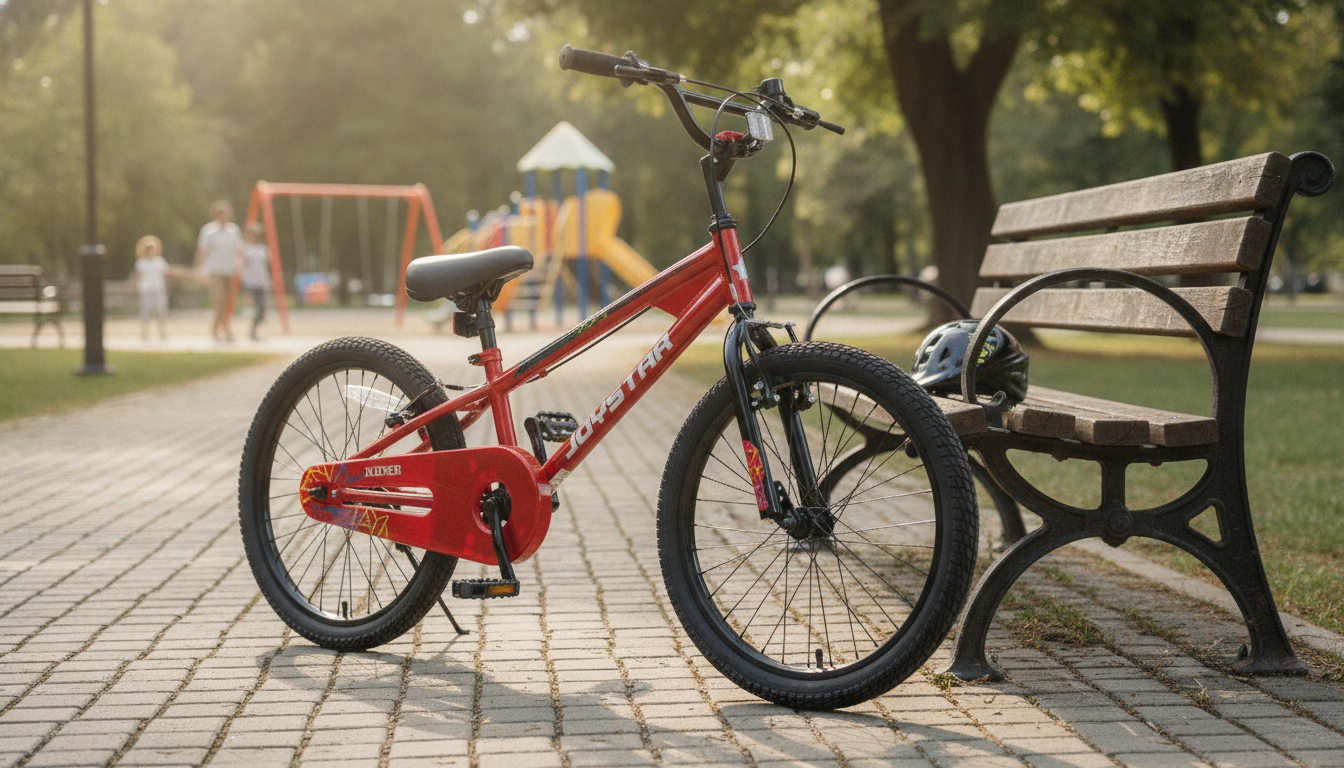
20-Inch Kids’ Bike with Durable Carbon Steel Frame and V-Brake System
A 20-inch kids’ bike is a popular next step once young riders have outgrown smaller wheel sizes and are ready for longer rides, quicker handling, and more independence. This model pairs a durable carbon steel frame with a responsive V-brake system—two features that can make everyday neighborhood riding feel steadier, safer, and easier to control.
What Makes a 20-Inch Kids’ Bike a Great Next Step
Moving up to a 20-inch wheel size often feels like a “real bike” moment for kids: the ride smooths out, the bike carries speed better, and short trips (to a friend’s house, around the block, or along a park path) become more comfortable.
- Designed for kids who are transitioning from smaller bikes and want more speed and stability on paved paths and smooth neighborhood streets.
- 20-inch wheels typically roll more easily over small bumps and cracks than smaller wheel sizes.
- A sturdier frame can boost confidence for riders practicing turns, starts, and controlled stops.
- A proper fit matters more than age—stand-over clearance and comfortable reach to the handlebars improve control.
When the bike fits well, a rider can start and stop with less wobble, steer without over-correcting, and focus more on traffic awareness and trail etiquette instead of “fighting the bike.”
Frame Strength and Ride Feel: Durable Carbon Steel
Kids ride hard, and that’s part of the fun—curb transitions, sidewalk seams, quick dismounts, and the occasional tip-over are all normal. A carbon steel frame is often chosen for its toughness and everyday resilience, especially on bikes that see frequent bumps and drops.
- Carbon steel construction is valued for toughness and everyday resilience, especially for kids’ bikes that see frequent bumps, drops, and curb hops.
- A durable frame helps keep alignment consistent, which supports predictable steering and braking.
- Great for regular use: school rides, park loops, and weekend outings.
- Good durability does not replace fit—combine a strong frame with the right rider size for the best control.
A solid frame can also reduce the “flexy” feeling that new riders sometimes interpret as instability. For families, that can translate to fewer adjustments over time and a bike that’s ready when the next ride window opens.
Braking Confidence: How the V-Brake System Helps
Stopping is a skill, not just a feature. V-brakes (a common rim-brake style) can help kids build good braking habits because lever feel is direct, and the setup is easy to understand visually.
- V-brakes (rim brakes) provide strong stopping power with a direct lever feel, which many kids learn quickly.
- Easier to visually check pad wear and alignment compared with some other brake types.
- Encourage safer riding habits: practicing progressive braking (gentle squeeze first, then firmer pressure) reduces skids.
- Regular maintenance improves performance: keep rims clean, check cable tension, and replace pads when worn.
For extra peace of mind, review helmet fit and basic safety guidance from the Consumer Product Safety Commission (CPSC) and kid-focused riding tips from Safe Kids Worldwide.
Quick Specs Snapshot and What to Look For
- Wheel size: 20-inch
- Core build: durable carbon steel frame
- Stopping system: V-brake
- Before the first ride: confirm brake lever reach, tire inflation, and that bolts are tightened to recommended torque.
- After a few rides: re-check fasteners and brake cable tension (new cables can settle slightly).
Pre-Ride Checklist for a 20-Inch Kids’ Bike
| Item | What to Check | Why It Matters |
|---|---|---|
| Brakes | Levers pull smoothly; pads contact rim evenly; no rubbing when released | Improves stopping control and reduces surprise skids |
| Tires | Inflate to the sidewall-recommended PSI; look for cracks or embedded debris | Helps grip and prevents pinch flats |
| Handlebars | Aligned with front wheel; stem bolts secure | Prevents sudden steering shifts |
| Seat height | Comfortable pedaling; stable starts and stops | Reduces wobble and boosts confidence |
| Chain & drivetrain | Chain moves smoothly; no loud clicking or skipping | Prevents jerky pedaling and dropped chains |
| Reflectors/visibility | Reflectors present and clean; add lights if riding near dusk | Improves visibility to others |
Fit and Comfort: Getting the Size Right
A 20-inch wheel size is a helpful starting point, but fit is what makes the bike feel intuitive instead of intimidating. Prioritize real measurements and real-world control over a number printed on a birthday cake.
Safety Setup for Everyday Riding
Care and Maintenance to Keep It Riding Smoothly
Product Option Available Now
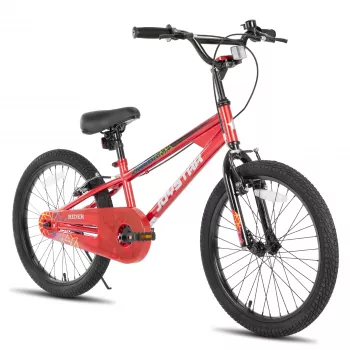
- 20-Inch Kids’ Bike with Durable Carbon Steel Frame and V-Brake System — A sturdy 20-inch kids’ bike featuring a durable carbon steel frame and a V-brake system for everyday neighborhood rides.
- Smart Money Moves: Real Ways People Save — A practical pick for families planning back-to-school expenses and learning how to budget for gear, accessories, and ongoing maintenance.
FAQ
What height range is a 20-inch kids’ bike usually best for?
It varies by brand and frame geometry, but many 20-inch kids’ bikes fit riders roughly in the 3’10” to 4’8″ range. The best check is inseam and stand-over clearance, plus a comfortable reach to the handlebars so starting and stopping feels confident.
Are V-brakes strong enough for a kids’ bike?
Yes—V-brakes can provide strong, reliable stopping power when they’re properly adjusted. Clean rims, healthy brake pads, and practicing smooth, progressive braking make a bigger difference than squeezing as hard as possible.
How often should brakes and tire pressure be checked?
Do a quick pre-ride check for tire firmness and brake lever feel, especially before longer rides. Plan a more thorough inspection weekly (or after wet/rough rides) to confirm pad wear, cable tension, and bolt tightness.













Leave a comment