Quad-Driver Hybrid Planar IEMs: Detail, Bass, Fit Tips
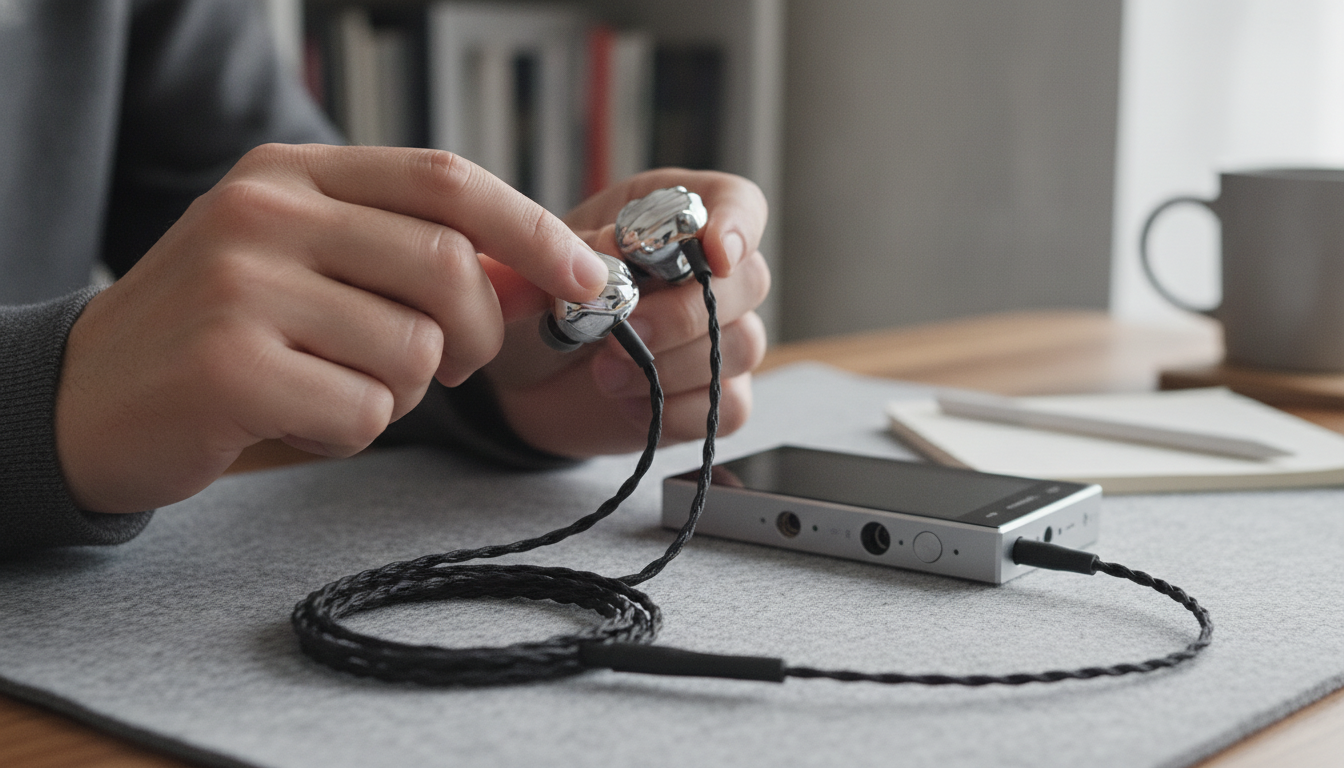
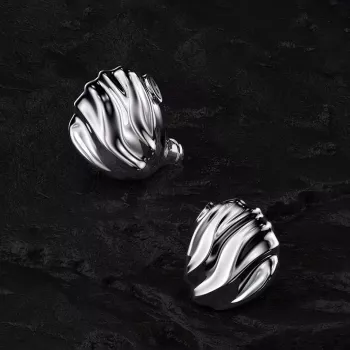
Quad-Driver Hybrid Planar In-Ear Headphones with Triple Dynamic Architecture
Quad-driver hybrid in-ear headphones combine different transducer styles to deliver detailed highs, clean mids, and controlled bass in a compact fit. When the design is executed well, the result is a mix of speed and texture up top, plus satisfying low-end weight that doesn’t blur vocals. This guide explains how a planar element and multiple dynamic drivers can work together, what that can mean in real listening, and how to keep comfort and performance consistent day to day. For more guidance, see TRN Shell | Headphone Reviews and Discussion – Head-Fi.org.
What makes a quad-driver hybrid design different
Most earphones rely on one driver type and use tuning (and sometimes heavy EQ) to create a “balanced” sound. A quad-driver hybrid approach changes the strategy: instead of making one driver do everything, it assigns different parts of the frequency range to different driver technologies. For further reading, see planar driver | Headphone Reviews and Discussion – Head-Fi.org.
- Hybrid layouts blend driver technologies to balance speed, detail, and impact without relying on heavy EQ.
- A planar driver is typically valued for fast transient response and low distortion in the upper registers.
- Dynamic drivers are often used to move more air for fuller low end and weight, with multiple dynamics splitting the workload across bass and mid-bass regions.
- A crossover network and acoustic chambers help keep each driver operating where it performs best, reducing congestion during complex tracks.
If you listen to dense arrangements—layered synths, busy rock mixes, or orchestral crescendos—this “divide and conquer” approach can help the sound stay organized rather than collapsing into a single wall of audio.
How planar and dynamic drivers shape the sound
Hybrid configurations are about combining strengths. The planar element tends to handle fine detail and quick attacks, while dynamic drivers are typically chosen for physicality and natural decay in the lows.
- Planar element: often emphasizes clarity, separation, and consistent output across its operating band, helping vocals and cymbals sound less smeared.
- Triple dynamic architecture: can be tuned for sub-bass reach, punch, and warmth, while keeping midrange from getting overly thick.
- Imaging and layering: multiple drivers can improve perceived instrument placement when the crossover is well-implemented.
- Traits to listen for: sub-bass extension, mid-bass tightness, vocal presence, upper-treble sparkle, and sibilance control.
For a quick reference on how frequency response influences what you hear, see this overview from Rtings on frequency response basics.
Comfort, seal, and isolation
With in-ear headphones, fit is performance. A great tuning can sound thin or sharp if the seal is inconsistent, while a secure seal often brings back the intended bass and smoothness.
- Fit drives bass response: a strong seal typically increases low-frequency presence and reduces the “hollow” effect that leaks can cause.
- Tip selection matters: silicone tips can feel airy and quick; foam tips can add isolation and a warmer tone.
- Wearing stability: cable routing and nozzle angle influence whether the shells stay seated during walking or light workouts.
- Isolation expectations: passive isolation depends on tip material and insertion depth; it can reduce ambient noise but won’t replace active noise canceling.
If you commute, a better seal can also help you listen at safer volumes because you’re not battling as much background noise. For safe listening guidance, refer to the World Health Organization’s safe listening recommendations.
Build, cable, and everyday durability
Multi-driver in-ears are small, but they’re not delicate when they’re built thoughtfully. Durability comes down to the shell finish, connector reinforcement, and basic maintenance.
Power needs and device matching
Quick specifications and highlights
| Feature | What to check | Why it matters |
|---|---|---|
| Hybrid driver layout | Planar + multiple dynamic drivers with clear band roles | Improves separation and reduces distortion when tuned well |
| Bass behavior | Sub-bass extension without mid-bass bloat | Keeps kick drums punchy while preserving vocal clarity |
| Treble control | Detail without sharp peaks or sibilance | Avoids fatigue during long sessions |
| Fit and tips | Multiple tip sizes/materials; secure nozzle lip | Determines isolation and bass response |
| Cable/connector robustness | Strain relief, durable plug, secure connectors | Reduces failure risk with daily use |
| Source compatibility | Low hiss on phones/dongles; scales with DAC/amp | Ensures clean playback across devices |
Best-use scenarios
Setup tips for getting the intended sound
In-stock picks
- Quad-Driver Hybrid Planar In-Ear Headphones with Triple Dynamic Architecture — a compact hybrid option designed for detail up top and weight down low.
- Creative 6-Piece Bathroom Accessories Set — a tidy way to organize small daily essentials, helpful for keeping tips, wipes, and travel items in one place.
FAQ
Do more drivers automatically mean better sound?
No. Tuning, crossover design, housing acoustics, and consistent fit matter more than driver count; multiple drivers can improve detail and headroom, but poor implementation can create coherence issues.
Will a phone power quad-driver hybrid in-ear headphones well?
Many in-ears will reach high volume from a phone, but a clean dongle DAC or dedicated DAC/amp can reduce hiss and improve bass control. Results depend on the earphones’ sensitivity/impedance and the source’s noise floor.
How can bass be improved if it sounds weak?
Fix the seal first by trying different tips, slightly deeper insertion, and checking for leaks; poor seal is the most common cause of weak bass. After that, a mild bass EQ boost can help without overdriving the drivers.













Leave a comment