Best Outfit Colors for Black Hair: Easy Palette Guide
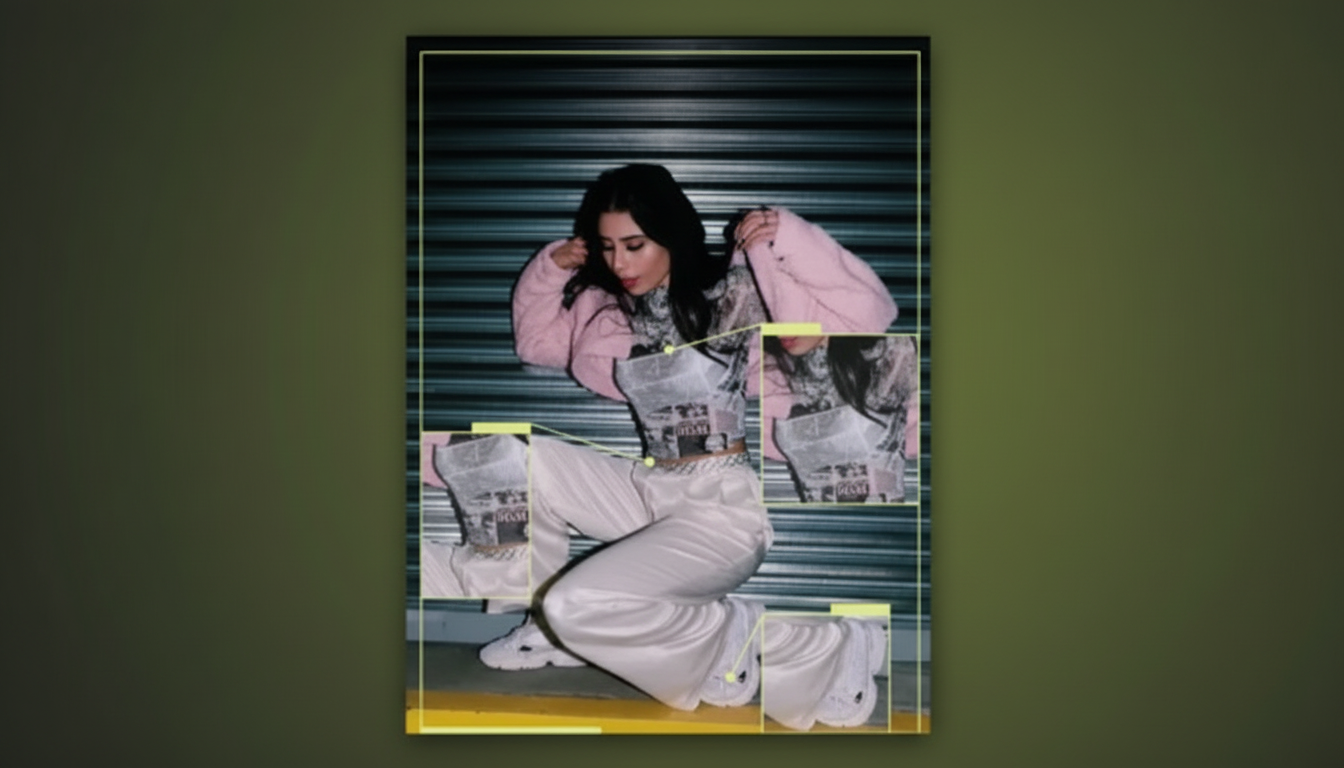
Colors That Love Black Hair: Why color feels “louder” and cleaner
Black hair creates a naturally high-contrast frame that makes outfit color choices feel more defined—sometimes even more dramatic—than they look on the hanger. The upside: many shades read richer, sharper, and more intentional next to black hair, especially when the hair is glossy, sleek, or worn in a strong silhouette. Color perception is also influenced by lighting and context, which is why a “simple” white tee or red dress can photograph so powerfully with dark hair (see a helpful overview of how we perceive color).
Why black hair changes the way colors read
Color doesn’t sit on the body in isolation—hair color acts like a border around the face, and black is the most graphic border of all. That’s why familiar colors can look surprisingly different once hair is styled and makeup is on.
- High contrast effect: Black hair naturally frames the face and can make bright shades look even more saturated.
- Clarity effect: Crisp colors (true white, cobalt, cherry) often look sharper next to black hair than muted versions.
- Softening effect: Dusty or warm neutrals can balance the intensity of black hair for an understated look.
- Metallics and shine: Gold, silver, and pearl finishes tend to pop, especially when hair is glossy or styled sleek.
Hair color itself comes from melanin pigmentation; darker hair simply creates a deeper visual anchor around the face (a quick overview of hair pigmentation basics is available from MedlinePlus).
Find the best palette using undertone cues
Undertone helps decide whether a color looks “expensive and effortless” or slightly off. When black hair is involved, the difference between warm vs. cool versions of the same shade becomes more noticeable.
- Warm-leaning signs: Gold jewelry looks brighter than silver, skin pulls golden/olive, warm browns look natural—start with earthy and golden tones.
- Cool-leaning signs: Silver jewelry looks crisp, skin pulls rosy/neutral-cool, cool reds and blues feel clean—start with jewel tones and icy brights.
- Neutral signs: Both metals work, many shades feel balanced—build around clear neutrals and add accent colors based on the occasion.
- Simple test: Hold a warm camel sweater and a cool charcoal piece near the face; the better one makes skin look clearer and eyes more defined.
Color families that tend to flatter black hair (adjust for undertone)
| Color family | Best-leaning undertone | Easy outfit pairing |
|---|---|---|
| Crisp neutrals (true white, black, charcoal) | Neutral/Cool | White top + dark denim + bold lip |
| Warm neutrals (camel, cream, chocolate) | Warm/Neutral | Cream knit + tan trousers + gold jewelry |
| Jewel tones (emerald, sapphire, amethyst) | Cool/Neutral | Emerald dress + silver accents |
| Warm brights (tomato red, marigold, coral) | Warm | Coral blouse + beige skirt |
| Soft pastels (lavender, blush, mint) | Cool/Neutral | Lavender shirt + gray pants |
| Earth tones (olive, rust, terracotta) | Warm/Neutral | Olive jacket + white tee + jeans |
Go-to outfit colors that consistently look strong with black hair
When time is short, these categories tend to deliver that “pulled together” look without fuss—especially when fabrics are clean, structured, or lightly reflective (cotton poplin, satin, smooth knits, denim with a dark rinse).
- True white and ivory: Creates a clean contrast; choose true white for crisp cool looks and ivory/cream for warmth.
- Red in multiple directions: Blue-red (cool cherry) looks striking; orange-red (tomato) feels vibrant and warm.
- Blues that read polished: Cobalt and navy are reliable for work, photos, and evening.
- Greens that feel luxe: Emerald for drama; olive for casual; mint for softness.
- Purple as an elevated accent: Deep plum for evening; lilac for daytime.
- Neutrals beyond black: Charcoal, taupe, camel, and chocolate can look refined while keeping the focus on the face.
Occasion-based color formulas (easy “grab-and-go” combos)
Instead of building an outfit from scratch, use a repeatable formula. Black hair supports bolder contrasts, but these combos also work beautifully in softer, tonal directions.
- Everyday casual: One neutral base + one color pop (white tee + jeans + emerald cardigan).
- Work and interviews: Structured neutrals + one controlled accent (navy suit + cream blouse; charcoal + burgundy).
- Date night: Deep jewel tone + metallic accessories (plum dress + gold heels; emerald top + black skirt).
- Weddings and events: Rich color or soft pastel + balanced makeup (sapphire gown; blush midi with defined eyeliner).
- Photos and video: Avoid close-to-skin beiges that wash out; choose crisp contrast or jewel tones for clarity.
Pattern and print tips that keep black hair as an advantage
Accessories and beauty details that make outfit colors look finished
Digital download: quick reference palette and outfit builder
Also available (digital guides)
FAQ
Do bright colors look better than muted colors with black hair?
Black hair supports both. Bright shades create crisp, high-impact contrast, while muted tones feel softer and more understated—choose based on undertone, the occasion, and how bold you want the overall look to feel.
What neutral colors are easiest to build outfits around with black hair?
True white, cream/ivory, charcoal, navy, camel, and chocolate are reliable starting points. Pick cooler neutrals (white, charcoal, navy) for crisp contrast, and warmer neutrals (cream, camel, chocolate) for a softer, golden finish.
How can an outfit avoid looking too harsh with black hair?
Use soft neutrals, tonal dressing (deep-to-mid shades in one family), and mid-tone layers to reduce stark contrast. Textured fabrics and warmer accessories (like gold jewelry or tan leather) can also soften the overall effect.










Leave a comment