Conical Burr Grinder: 30 Settings + LCD Timer Guide
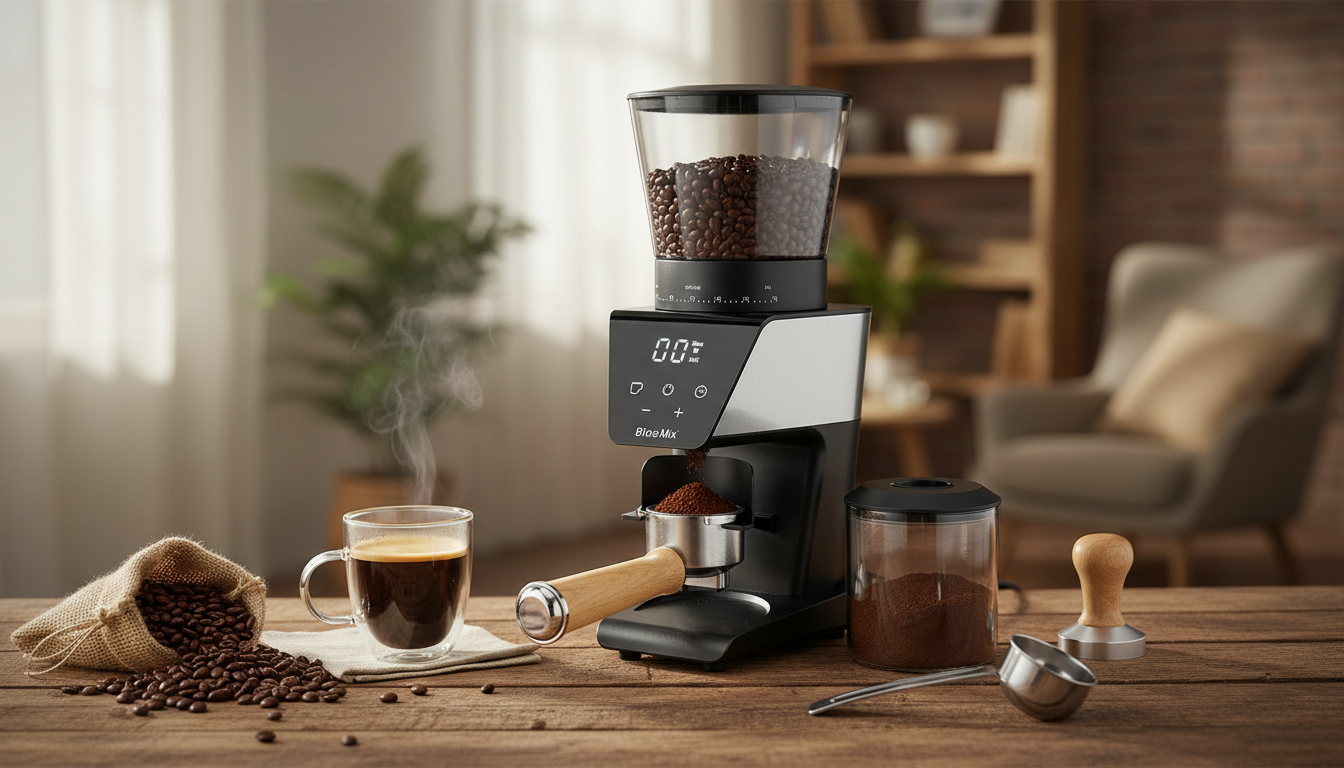
Automatic Conical Burr Coffee Grinder with 30 Settings and LCD Timer
Consistent grinding is one of the fastest upgrades to better coffee at home. A conical burr grinder with stepped settings helps lock in repeatable results, while an LCD timer makes dosing more predictable from brew to brew. This guide explains how an automatic conical burr grinder with multiple settings and a timer fits into common routines—espresso, pour-over, drip, French press—and what to look for when dialing in flavor. For more guidance, see Use Your Gift Cards on These Top Home Products.
What a conical burr grinder changes in the cup
Compared with blade-style chopping, conical burrs are designed to produce a more uniform particle size. That uniformity supports clearer flavor, steadier extraction, and fewer “surprise” cups that swing from sour to bitter. When the grounds are closer in size, water meets similar resistance throughout the bed, which helps you hit a balanced level of sweetness and clarity more often. For further reading, see Definitions of General Technical Skills1.
A stepped adjustment system also simplifies experimentation. Instead of guessing where you were yesterday, you can return to a known grind number, then move one or two clicks at a time to nudge flavor. Conical burr sets are widely used for balanced performance across several brew methods, making them a practical pick for households that rotate between espresso drinks, pour-overs, and batch brew.
How 30 grind settings map to popular brew methods
Thirty stepped settings typically cover fine through coarse ranges that align well with most home equipment. The key is to treat the numbers as a personal map: different beans, humidity, and brewer designs can shift the “sweet spot,” but the range gives you room to dial in.
- Fine range: Supports espresso-style extractions and moka pot. Tiny changes can strongly affect flow rate.
- Medium range: Common for drip machines and many pour-over recipes. Aim for even flow without stalling.
- Coarse range: Suited to French press and cold brew. Helps reduce sediment and over-extraction during long steeps.
- Best practice: Change only one variable at a time—grind size first, then dose or brew time.
Starting-point grind ranges (adjust to taste and equipment)
| Brew method | Starting range (relative) | What to watch for |
|---|---|---|
| Espresso (non-pressurized) | Fine | If shots run fast and taste sour, go finer; if they choke or taste bitter, go coarser |
| Moka pot | Fine-to-medium | Avoid powdery grinds that can stall; target steady, not sputtering flow |
| Pour-over | Medium | If drawdown is too fast and thin, go finer; if it stalls, go coarser |
| Auto drip | Medium | Aim for balanced sweetness; avoid muddy brews by not going too fine |
| French press | Coarse | Reduce sludge by going coarser; avoid weak taste by increasing dose before going much finer |
| Cold brew | Coarse | Prevent harshness by keeping it coarse and extending steep time as needed |
Using the LCD timer for repeatable dosing
An LCD timer turns grinding into a quick, repeatable routine—especially helpful when switching between a single mug and a larger carafe. The timer won’t automatically equal grams (beans vary in density and feed rate), but it can get you very close once you calibrate.
A reliable approach is to weigh one timed grind dose, repeat it a few times, and average the results. Save that time setting as your baseline for a specific brew method. When you change beans (origin, roast level, freshness) or make a big grind adjustment, recalibrate—your grinder may output a different amount per second.
For best results, pair timed grinding with a scale while dialing in, then use the timer for daily convenience once flavor and brew time are where you want them.
Dial-in workflow: from “first cup” to “favorite cup”
If you want a practical way to diagnose flavor quickly, Barista Hustle’s Coffee Compass is a useful reference for connecting taste to adjustments.
Everyday maintenance for stable performance
- Brush regularly: Clear the burr area and chute to reduce retained grounds that can dull flavor.
- Watch darker roasts: Oils can build up faster, so cleaning frequency may need to increase.
- Store beans well: Keep them dry and away from heat and light; humidity can affect feed and clumping. The National Coffee Association’s guide on how to store coffee is a solid baseline.
- If output becomes inconsistent: Check for retention, static, and whether the burrs need a deeper clean.
Who this style of grinder fits best
Product details and where to buy
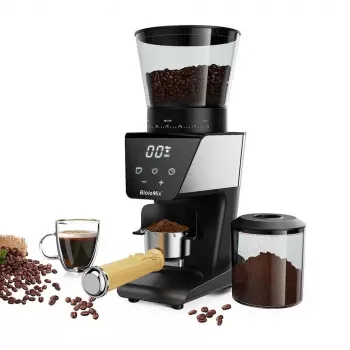
The Automatic Conical Burr Coffee Grinder with 30 Settings and LCD Timer is an in-stock option built around stepped grind control and timed dosing for repeatable brewing. Check the product page for current pricing, shipping, and availability.
Quick snapshot
| Item | Value |
|---|---|
| Product | Automatic Conical Burr Coffee Grinder with 30 Settings and LCD Timer |
| Price | 174.32 USD |
| Availability | In stock |
More in-stock picks
- Creative 6-Piece Bathroom Accessories Set
- 3 Smart & Simple Ways Millennials Can Start Investing Today (PDF)
FAQ
Are conical burr grinders good for espresso?
Yes—conical burr grinders can work well for espresso, especially when they offer fine, repeatable adjustments. Results depend on your espresso machine (pressurized baskets are more forgiving than non-pressurized) and how carefully you dial in grind size and dose.
How do timer settings translate to grams of coffee?
They don’t translate perfectly because output per second changes with bean density, roast level, and grind size. Calibrate by weighing a few timed grinds, averaging the results, and rechecking whenever you switch beans or make major grind adjustments.
Why does the grind sometimes clump or create static?
Clumping and static can be influenced by humidity, bean freshness, very fine grind settings, and plastic chutes. Keeping the grinder clean, storing beans properly, and making small grind changes can reduce issues; some users also use a light misting technique when appropriate for their routine.














Leave a comment