Dog Brushing Routine by Coat Type: Tools, Frequency
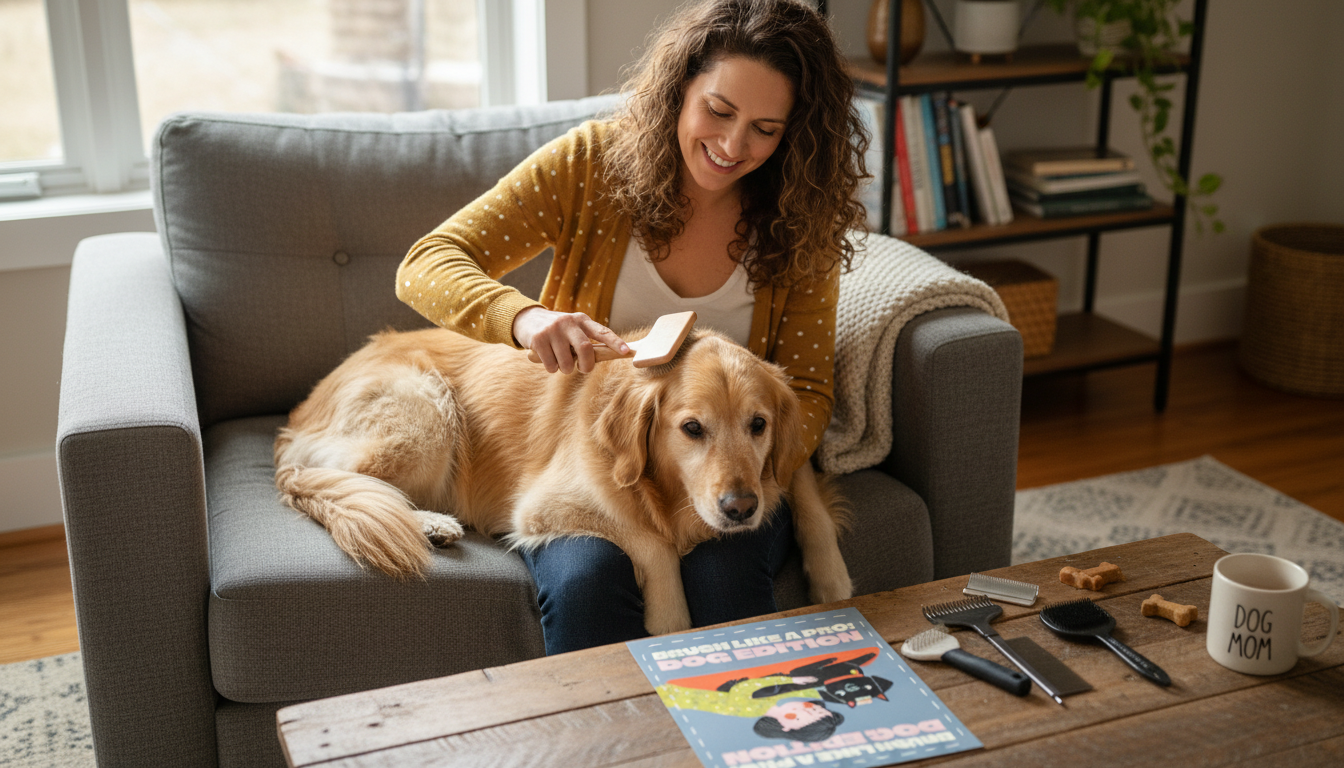
Why brushing matters beyond looks
A polished coat is a nice bonus, but brushing does more than make your dog look tidy. Done regularly and gently, it becomes a fast health check and a comfort habit that pays off year-round. For more guidance, see [PDF] VETERINARY CARE AND MANAGEMENT OF THE MILITARY ….
- Less hair around the house: Brushing lifts loose hair and dander before it ends up on furniture and clothing.
- Healthier skin and shine: It helps distribute natural oils along the hair shaft, supporting a softer coat and reducing dry, flaky patches.
- Fewer painful tangles: Small knots can turn into tight mats that pull at the skin, trap moisture, and lead to irritation.
- Spot problems early: Brushing is a chance to notice fleas/ticks, hot spots, bumps, tenderness, or unusual shedding patterns.
- More comfort in warm weather: Lifting and removing loose undercoat improves airflow—especially for double-coated breeds. (Avoid shaving double coats; it can interfere with coat function.)
For technique basics and handling tips, these references are helpful: American Kennel Club, ASPCA, and VCA Animal Hospitals. For further reading, see [PDF] 2019 AAHA Dental Care Guidelines for Dogs and Cats*.
Match the routine to coat type
The easiest brushing routines are the ones that fit the coat you’re actually working with. If you use the wrong tool or skip the areas that mat fastest, sessions get longer and your dog gets frustrated.
- Short, smooth coats: Focus on removing loose hair and boosting shine. Short sessions are usually enough, and the goal is consistency—not “perfect.”
- Medium coats: Brush through the topcoat and do quick checks in friction zones: behind ears, collar line, armpits, belly, and the base of the tail.
- Long or silky coats: Prioritize tangle prevention. Work in small sections and don’t only skim the surface; the underlayer can knot while the top looks fine.
- Double coats (Husky/Shepherd types): Use tools that reach the undercoat without scraping the skin. Expect seasonal “blowouts,” and plan extra sessions during spring/fall shedding.
- Curly or wavy coats (Poodle mixes): Frequent brushing is key because mats can tighten close to the skin quickly—especially after baths, swimming, or rainy walks.
Brushing frequency guide
Use a baseline schedule, then adjust for real life: outdoor play, swimming, burrs, seasonal shedding, and whether your dog tangles easily. If the coat stays comb-through smooth, you’re on the right track.
- Increase brushing after baths, hikes, daycare play, or any time you find seeds/burrs.
- Reduce brushing only when the coat stays mat-free and your comb glides through friction areas.
- If skin redness keeps happening, check tool choice and pressure. Sensitive skin may need softer pins, shorter sessions, or veterinary guidance if irritation persists.
| Coat type | Typical frequency | Session length | Focus areas |
|---|---|---|---|
| Short/smooth | 1–2× per week | 5–10 minutes | Back, sides, chest; check for irritation |
| Medium | 2–3× per week | 10–15 minutes | Behind ears, belly, tail base, collar line |
| Long/silky | Daily or every other day | 10–20 minutes | Section brushing; tangles near friction points |
| Double coat | 2–4× per week; daily during heavy shed | 10–20 minutes | Undercoat lift; avoid aggressive scraping |
| Curly/wavy | Daily | 10–20 minutes | Line-brush to skin; high-risk mat zones |
Tools that make brushing easier (and safer)
Good tools don’t need to be fancy—just appropriate for the coat and comfortable to use with light pressure. A simple “brush + comb” pairing solves a lot of grooming headaches.
- Slicker brush: Great for detangling and removing loose hair on many coat types; choose softer pins for sensitive skin.
- Pin brush: Helpful for longer coats and finishing; usually not enough alone for thick undercoat.
- Bristle brush or rubber curry: Ideal for short coats to lift loose hair and gently stimulate the skin.
- Undercoat rake/deshedding tool: Best for double coats; use lightly and avoid overuse that can cause irritation.
- Metal comb: Your “proof tool.” If the comb can’t glide through, tangles are still there.
- Detangling spray/conditioner: Reduces friction for long or curly coats and makes section work easier.
- Styptic powder and blunt-tip scissors: Useful for minor nail nicks and cutting out stubborn debris (avoid cutting mats close to skin).
A calm, step-by-step brushing session
The goal is a routine your dog can predict: short, gentle, and ending before anyone gets annoyed. Over time, that consistency is what makes brushing feel “easy.”
Common problem spots and quick fixes
Printable checklist for a consistent routine
From our store
FAQ
Can brushing too often harm a dog’s coat or skin?
It can if brushing is done with too much pressure, harsh tools, or excessive passes over the same spot. Match frequency to coat type and keep the technique gentle—your dog’s skin should not look red or feel sensitive afterward.
What should be done if a brush won’t go through tangles?
Spray a detangler, separate the coat into small sections, and hold the hair at the base of the tangle to reduce pulling. Switch to a metal comb for controlled work, and if mats are tight to the skin or painful, use a professional groomer rather than scissors.
How can a dog be helped to tolerate brushing?
Keep sessions short, reward calm behavior, and start in areas your dog enjoys before moving to sensitive zones. Stop before stress escalates and repeat often—predictable, low-pressure sessions build comfort faster than occasional long ones.















Leave a comment