How Long Cars Last: Real Lifespan, Miles & Maintenance
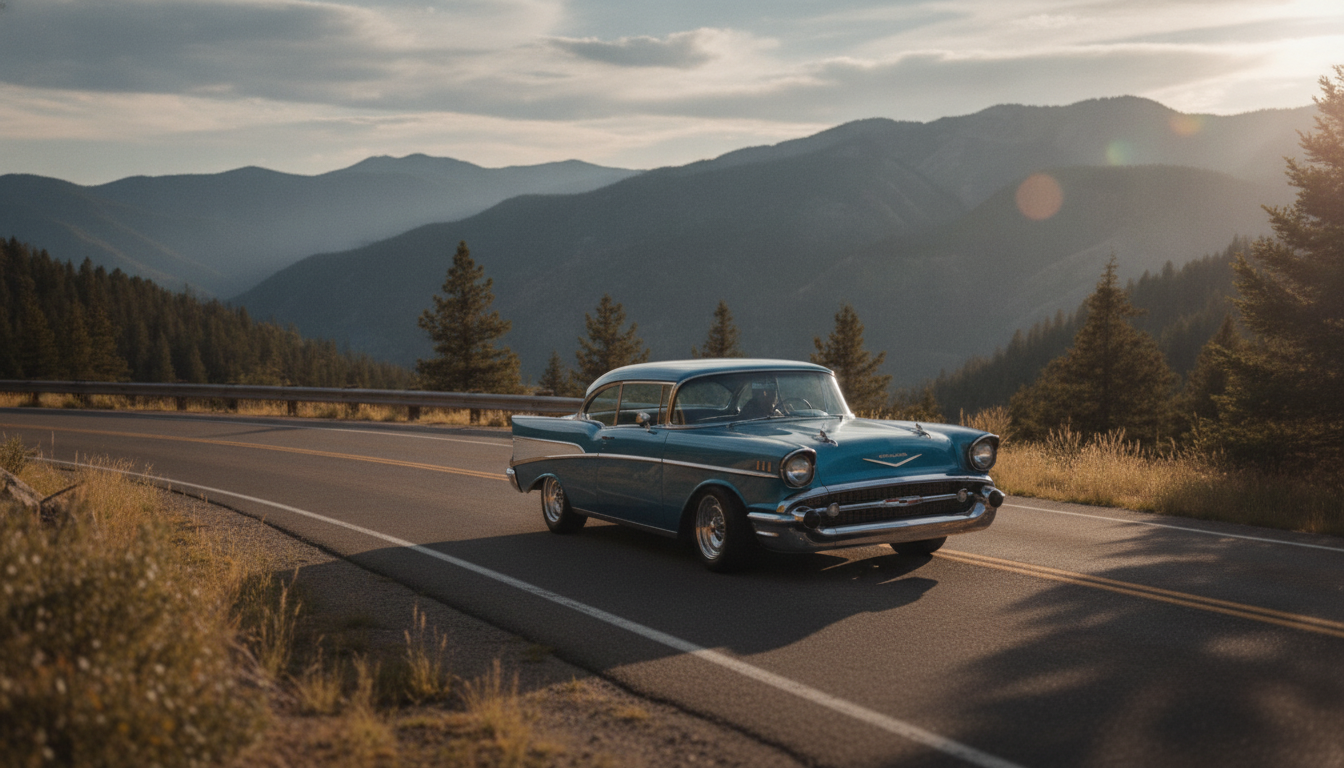
How Long Do Cars Really Last (and What “Lifespan” Actually Means)
Car “life” is less about a single magic mileage number and more about how a vehicle was built, driven, and maintained. A car can still start and drive, yet be effectively “done” if it needs constant, high-dollar repairs or has safety-compromising corrosion. The smartest way to shop is to separate what’s mechanically possible from what’s financially sensible—then use maintenance and inspection clues to estimate how much reliable life is realistically left.
What “Car Lifespan” Really Means
Car lifespan has two sides that don’t always end at the same time:
- Mechanical life: how long major systems (engine, transmission, steering, brakes, suspension, electronics) can remain dependable with normal upkeep.
- Economic life: the point where repairs, downtime, and risk outweigh the vehicle’s value and usefulness.
A vehicle can be “running” but no longer cost-effective if it needs frequent fixes like repeated misfire repairs, chronic overheating, or suspension work every year. Climate and storage matter too: road salt accelerates underbody rust, heat bakes rubber seals and hoses, and humidity can invite corrosion in connectors and modules. In practice, service history and ownership habits often predict longevity better than brand reputation alone.
How Long Does a Car Usually Last?
Many modern vehicles are capable of 150,000–200,000 miles with consistent maintenance. Some reach 250,000+ miles when driven gently, serviced on schedule, and protected from severe corrosion. Time is a factor alongside mileage: rubber bushings, seals, plastics, electronics, and paint can age out even on low-mileage cars that sit frequently.
Driving style also changes the wear curve. Short-trip usage (cold starts, stop-and-go, idling) tends to create more moisture and fuel dilution in oil and places extra stress on batteries, starters, and emissions systems. Meanwhile, steady highway miles are often easier on engines and transmissions.
Typical lifespan ranges and what usually changes at each stage
| Vehicle stage | Mileage / age (typical) | Common needs and risks | Smart buyer focus |
|---|---|---|---|
| Early life | 0–60,000 miles / 0–5 years | Routine fluids, tires, battery; warranty coverage often applies | Service records, accident history, proper tire wear |
| Mid life | 60,000–120,000 miles / 5–10 years | Brakes, shocks/struts, coolant service, belts; first “big” maintenance intervals | Proof of scheduled services; scan for stored fault codes |
| Late life | 120,000–200,000 miles / 10–15 years | Suspension wear, oil leaks, aging hoses, alternator/starter, AC issues | Compression/engine health, transmission behavior, rust inspection |
| High-mileage survivor | 200,000+ miles / 15+ years | Major repairs become more likely; corrosion and electrical faults increase | Total cost of ownership, parts availability, specialist inspection |
Mileage vs. Maintenance: Which Matters More?
Mileage is a rough proxy for wear, but maintenance quality determines whether wear becomes failure. Two 140,000-mile cars can be worlds apart: one might have clean fluid service intervals and quiet mechanical behavior, while the other has sludge history, overheating events, and neglected brakes.
The maintenance items that most strongly extend vehicle life tend to be unglamorous:
- Engine oil and filter: the foundation of long engine life.
- Cooling system health: preventing overheating is critical; one severe overheat can shorten engine life dramatically.
- Transmission fluid (when applicable): good fluid and correct operation help avoid expensive failures.
- Brake fluid: reduces corrosion in hydraulic components and helps protect ABS modules.
- Air filtration: clean intake air and a clean cabin system reduce strain and contamination.
Deferred maintenance compounds: small leaks turn into low-oil events, old coolant turns into overheating, and neglected tires add stress to steering and suspension. Favor cars that show evidence of prevention (documented fluid changes, quality parts) instead of “only fixed when it broke.”
The Big Lifespan Killers (and How to Spot Them)
A Smart Buyer’s Checklist for Estimating Remaining Life
For added peace of mind, verify open safety recalls through the NHTSA recall lookup.
What Maintenance Actually Extends Car Life the Most
Studies and ownership data can help set expectations. For broader context on long-term ownership costs, see Consumer Reports. For models statistically likely to reach high mileage, review research from iSeeCars.
When It’s Worth Keeping a Car vs. Replacing It
A Practical Guide for Buyers Who Want Their Next Car to Last
Recommended Guides & Tools
- How Long Do Cars Really Last – A Smart Buyer’s Guide to Car Lifespan, Mileage, Maintenance & How Long Does a Car Usually Last
- 3 Smart & Simple Ways Millennials Can Start Investing Today | MRR Guide | Financial Freedom eBook | Passive Income for Beginners | 3 Ways Millennials Can Invest PDF
FAQ
How many miles is too many miles on a used car?
There isn’t one universal cutoff: 100,000 miles can be “easy miles” with excellent records, while a neglected 90,000-mile car can be a money pit. As a practical guideline, 150,000–200,000 miles demands stronger proof of maintenance, a clean rust inspection, and a smooth drivetrain with no warning-light history.
Can a car last 300,000 miles?
Yes, especially with consistent oil and coolant care, mostly highway driving, gentle warm-up habits, and timely replacement of wear items like suspension parts and belts. In many regions, corrosion and the cost of major repairs end cars before the engine is truly worn out.
What maintenance matters most for making a car last longer?
Prioritize oil changes, a healthy cooling system, sensible transmission care, tires/alignment, and rust prevention in harsh climates. Following severe-service schedules and keeping records makes it far easier to maintain reliability and protect resale value.















Leave a comment