Reusable Microfiber Mop Pads (3 Pack) for Wet & Dry
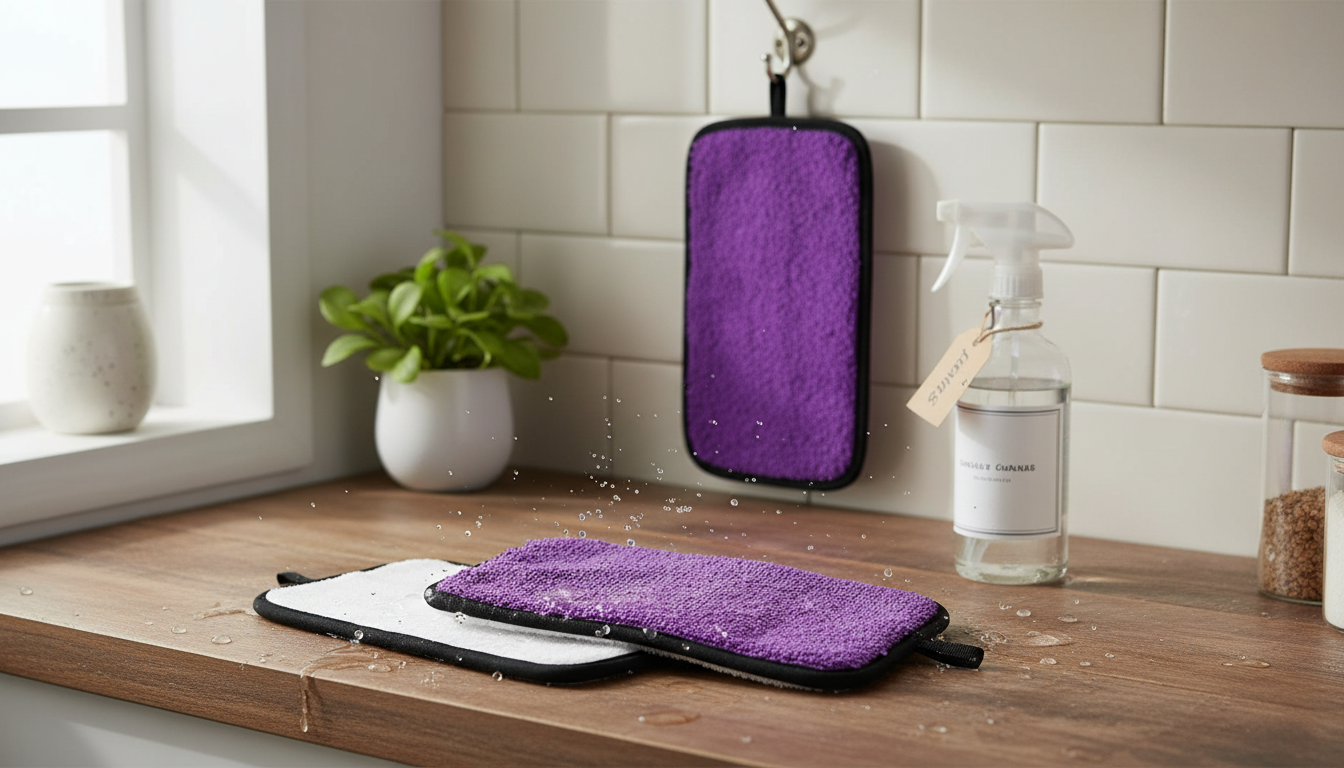
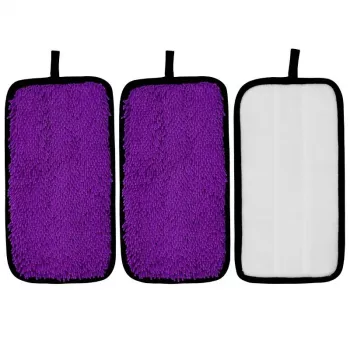
Reusable Microfiber Mop Pads for Wet & Dry Floor Cleaning (3 Pack) for Faster, Cleaner Floors
Reusable microfiber mop pads make it easier to switch between dusting and deeper wet cleaning without constantly reaching for disposable wipes. A 3-pack setup helps keep one pad ready for dry pickup, one for wet mopping, and one as a spare while the others are in the wash. The result is a simpler routine: swap pads when they look loaded, reset to a clean surface, and keep floors feeling smooth instead of gritty.
What reusable microfiber mop pads do differently
Microfiber isn’t just “soft cloth.” The fine fibers help grab and hold onto small particles that traditional rags often push around. That matters most during quick daily passes, when the goal is to capture dust and hair before it spreads.
- Better pickup in dry mode: Microfiber fibers grab fine dust and hair during dry passes, making it easier to collect pet fur, crumbs, and tracked-in debris without chasing it across the room.
- More effective damp cleaning: When lightly wet, microfiber can lift grime and residue with less streaking than many traditional cloths—especially helpful on glossy tile, sealed wood, or vinyl.
- Less ongoing waste: Reusable pads reduce the steady stream of disposable floor wipes and single-use mop sheets that get tossed after one session.
- Cleaner results through rotation: A small rotation (like a 3 pack) supports better cleaning because you can swap pads once they’re visibly dirty instead of pushing soil around.
Research has also explored how microfiber materials can improve removal of contaminants compared with some conventional materials when used correctly. For a deeper overview, see this summary of studies on microfiber cleaning materials at NIH (PubMed Central).
Wet vs dry cleaning: when to use each
Many floors look “fine” until the light hits them—then you see the film, footprints, and gritty bits. Pairing a dry pass with a wet pass is a straightforward way to keep floors consistently clean without over-wetting delicate surfaces.
- Dry cleaning: Best for daily pickup—dust, crumbs, pet hair, and tracked-in debris before it gets ground into the floor.
- Wet cleaning: Better for sticky spots, kitchen grease haze, bathroom residue, and visible footprints.
- Best sequence: Start with a dry pass, then switch to a fresh pad for wet cleaning to reduce muddy streaks.
- Delicate finishes: On some hardwoods/laminates, use a lightly damp pad rather than a soaking-wet one, and avoid leaving moisture sitting on the surface.
Wet vs Dry Floor Cleaning Cheat Sheet
| Situation | Pad mode | Liquid | Quick tip |
|---|---|---|---|
| Everyday dust and pet hair | Dry | None | Use long strokes and overlap passes to trap fine debris. |
| Kitchen spills and sticky spots | Wet | Warm water or diluted floor-safe cleaner | Pre-treat stuck-on spots, then mop; swap pads if it starts to smear. |
| Bathroom floor residue | Wet | Floor-safe cleaner | Rinse pad often or use a second pad to finish streak-free. |
| Post-renovation fine dust | Dry, then damp | Light mist of water | Dry pass first to capture dust; finish with a barely damp pad to pick up remaining film. |
| High-gloss surfaces prone to streaks | Damp (not dripping) | Very small amount of cleaner | Wring out well; finish with a clean, slightly damp pad. |
What’s included and how to rotate a 3-pack
A three-pad setup is a practical “clean pad standard.” Instead of trying to stretch one pad through the whole house, you can keep results consistent from room to room.
- Simple rotation: Keep one pad for dry pickup, one for wet mopping, and one clean backup.
- Better performance in busy zones: Entryways, kitchens, and dining areas load a pad quickly—swapping keeps grit from being redistributed.
- More comfortable for pet homes: With pets or long hair, changing earlier prevents hair clumps from re-depositing and sticking to damp areas.
If you want to keep the routine fast, store the clean spare pad where you keep the mop so you can switch immediately when you notice streaking or a visible gray cast on the pad.
Floor types and common use cases
Different floors ask for slightly different habits. The pad does the work, but moisture level and frequency make the biggest difference in the final look.
For general guidance on safer household cleaning practices and indoor air quality considerations, the U.S. EPA’s indoor air quality resources are a helpful reference.
Care, washing, and lifespan tips
When cleaning after illness or when higher hygiene is needed, follow the appropriate cleaning and disinfecting guidance for your setting, such as the recommendations from the CDC on cleaning and disinfecting.
A practical pick for quick wet/dry floor refreshes
- Reusable Microfiber Mop Pads for Wet & Dry Floor Cleaning – 3 Pack ($15.97)
- Creative 6-Piece Bathroom Accessories Set ($47.51)
FAQ
Can these mop pads be used for both wet mopping and dry dusting?
Yes. Microfiber works well dry for grabbing dust and hair, and it also performs well when lightly damp for lifting grime. For best results, use one pad for dry pickup and switch to a fresh pad for wet cleaning to avoid streaks.
How should reusable microfiber mop pads be washed?
Shake out debris first, then wash with similar materials and avoid fabric softener so the fibers keep their gripping power. Air dry or use low heat when allowed by the care instructions included with your pads.
Are reusable microfiber pads safe for hardwood and laminate floors?
They can be safe on sealed hardwood and laminate when used with minimal moisture. Use a damp (not soaking) pad and avoid leaving standing water on the floor.












Leave a comment