Stay Dry & Seen: Ultralight Helmet Rain Cover
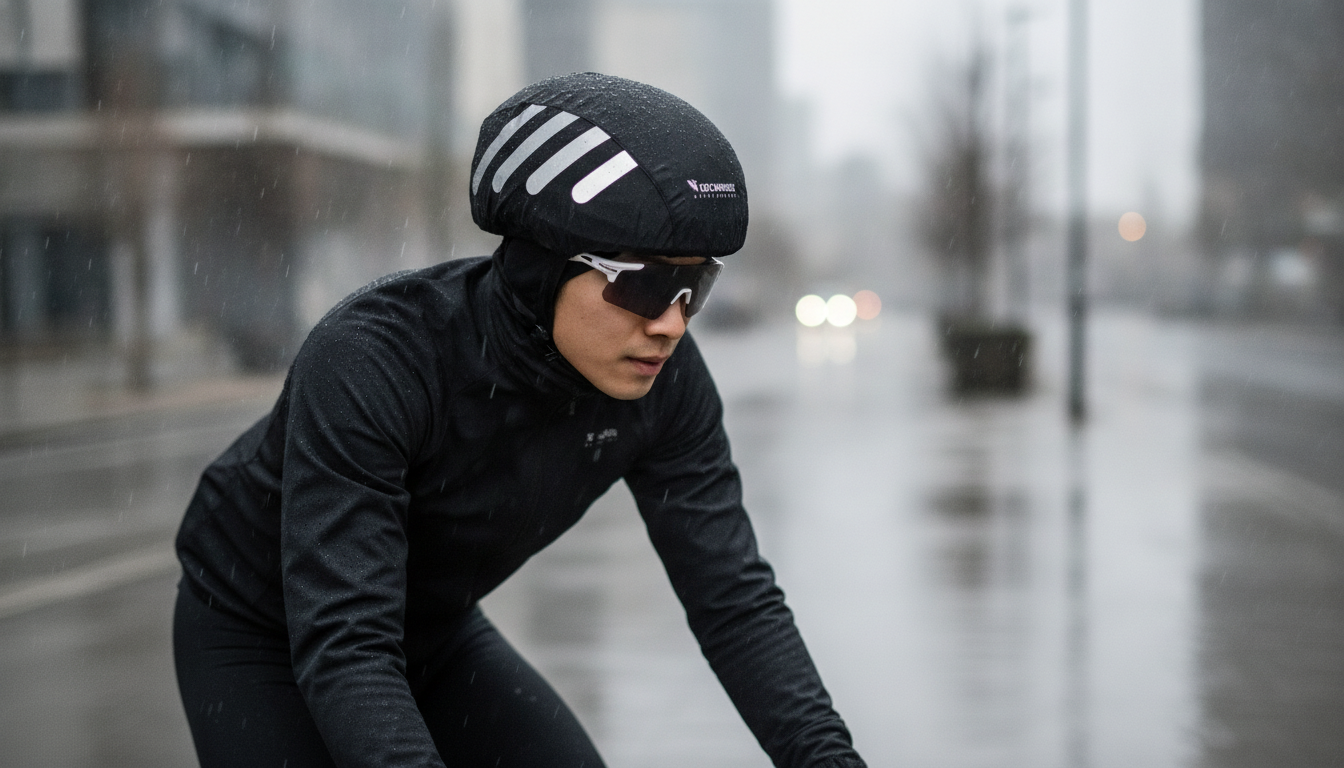
Ultralight Waterproof Reflective Helmet Rain Cover for Cycling
Rain can turn a normal ride into a visibility and comfort problem fast. Water funnels through helmet vents, chilling your head and soaking padding, while road spray and glare make it harder for drivers to pick out cyclists. An ultralight waterproof helmet rain cover is a simple add-on that creates a quick weather barrier and adds reflective presence—without changing your helmet’s basic fit or taking up much space in a pocket or saddle bag.
If you ride to work, run errands by bike, or travel with uncertain forecasts, a packable cover is one of those small items that can make wet-weather riding feel more controlled and less miserable.
What a Helmet Rain Cover Does (and Doesn’t Do)
A helmet cover is designed to manage two main problems: water intrusion and low visibility. Here’s what it helps with—and what it can’t do.
- Blocks rain from entering helmet vents, helping reduce head chill and keeping hair and padding drier.
- Adds a reflective surface to improve visibility in low light, dusk, and wet-road spray.
- Helps reduce wind cutting through vents during colder rain rides.
- Does not replace a certified helmet and does not add impact protection; it’s a weather and visibility accessory.
- Works best when paired with lights and bright clothing in poor conditions.
For broader safety guidance—especially around visibility, riding predictably, and sharing the road—review the resources from the National Highway Traffic Safety Administration (NHTSA). And for helmet basics and certification context, the U.S. Consumer Product Safety Commission (CPSC) offers clear, practical information.
Key Features to Look For in an Ultralight Waterproof Cover
Not all helmet covers perform the same in real rain—especially when speed, wind, and head movement are added. Prioritize the details that keep water out and keep the cover stable.
- Waterproof fabric with sealed or well-finished seams to reduce leakage through stitch lines.
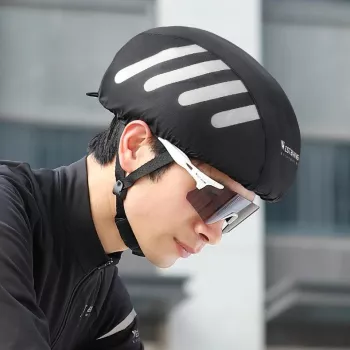
- Full coverage over top vents and sides while leaving enough clearance for helmet retention systems.
- Reflective panels or printing that remains visible when wet and under angled headlights.
- Elastic edge or adjustable fit that stays secure at speed and in crosswinds.
- Compact packability for jersey pocket or saddle bag storage.
Quick checklist for daily-use rain covers
| Feature | Why it matters | What to check before buying |
|---|---|---|
| Water resistance | Keeps rain from soaking padding and scalp | Fabric feels coated; water beads on contact |
| Reflectivity | Improves nighttime and rain visibility | Reflective area is large enough to be seen from multiple angles |
| Fit security | Prevents flapping and shifting | Elastic grips under helmet rim without blocking straps |
| Vent compatibility | Maintains comfort and retention dial access | Cover doesn’t interfere with rear adjustment system |
| Pack size | Makes it more likely to be carried | Folds down to pocketable size |
Fit and Compatibility: Getting a Stable, Quiet Setup
A cover that technically “fits” can still be noisy or annoying if it’s not seated correctly. The goal is a smooth surface that won’t flap in crosswinds and won’t interfere with straps or the retention dial.
- Match the cover size range to the helmet style (road, commuter, MTB) and shell shape.
- Ensure the elastic edge sits evenly around the helmet rim without riding up over the straps.
- Check that the rear retention dial (if present) still functions without bunching fabric.
- For visored helmets, confirm the cover can stretch around the visor mount or sit neatly behind it.
- If flapping occurs, reseat the edge lower on the shell and smooth excess fabric toward the rear.
A quick tip for wet commutes: after you mount the cover, turn your head left/right and look down/up once. If you hear crackling or feel the fabric tug, adjust before you roll out—small tweaks can make a big difference over a longer ride.
When Reflective Coverage Matters Most
Reflective elements help you stand out when ambient light is low or when headlights are the main illumination. A helmet sits high on the body, so reflectivity there can be easier to spot over traffic and parked cars.
- Rainy commutes: reflective surfaces help drivers spot cyclists through spray and glare.
- Dawn/dusk riding: low sun angles reduce contrast; added reflectivity helps define movement.
- Urban intersections: large reflective shapes on the head are visible above many vehicles.
- Group rides in mixed weather: improves rider-to-rider visibility when conditions change quickly.
Reflective gear works best as part of a visibility “system”: a steady front light, a bright rear light, and reflectivity on multiple moving points (ankles/legs, wheels, and upper body). The cover supports that system by adding a high, attention-catching reflective area.
How to Use and Care for a Waterproof Helmet Cover
Ultralight Waterproof Reflective Helmet Rain Cover for Cycling: Highlights
For riders who want an easy wet-weather upgrade that doesn’t add bulk, the Ultralight Waterproof Reflective Helmet Rain Cover for Cycling is built around quick deployment and packability.
More In-Stock Finds
- Creative 6-Piece Bathroom Accessories Set — a simple refresh for guest or primary bathrooms.
- 3 Smart & Simple Ways Millennials Can Start Investing Today (eBook) — an easy-to-follow guide for building better money habits.
FAQ
Will a helmet rain cover fit any cycling helmet?
Most covers fit many road and commuter helmets, but shell shape and visor mounts can affect fit. Check the size range and confirm the elastic edge can sit securely around the helmet rim without blocking straps or the retention dial.
Does a waterproof cover make a helmet too hot?
It can reduce ventilation because it blocks vents. In cool rain this is usually helpful; in warm rain it may feel warmer, so remove it when the rain eases or slow the effort to manage heat.
Is reflective material enough for night riding?
Reflectivity helps drivers notice you, but it works best with active lights. Use a front white light and rear red light, and treat reflective coverage as a supplement rather than a replacement.














Leave a comment