Disease-Free Aquarium Routine: Quarantine, Tests, & Checklists
Disease-Free Aquariums: Practical Steps for Healthy Fish and Stable Tanks
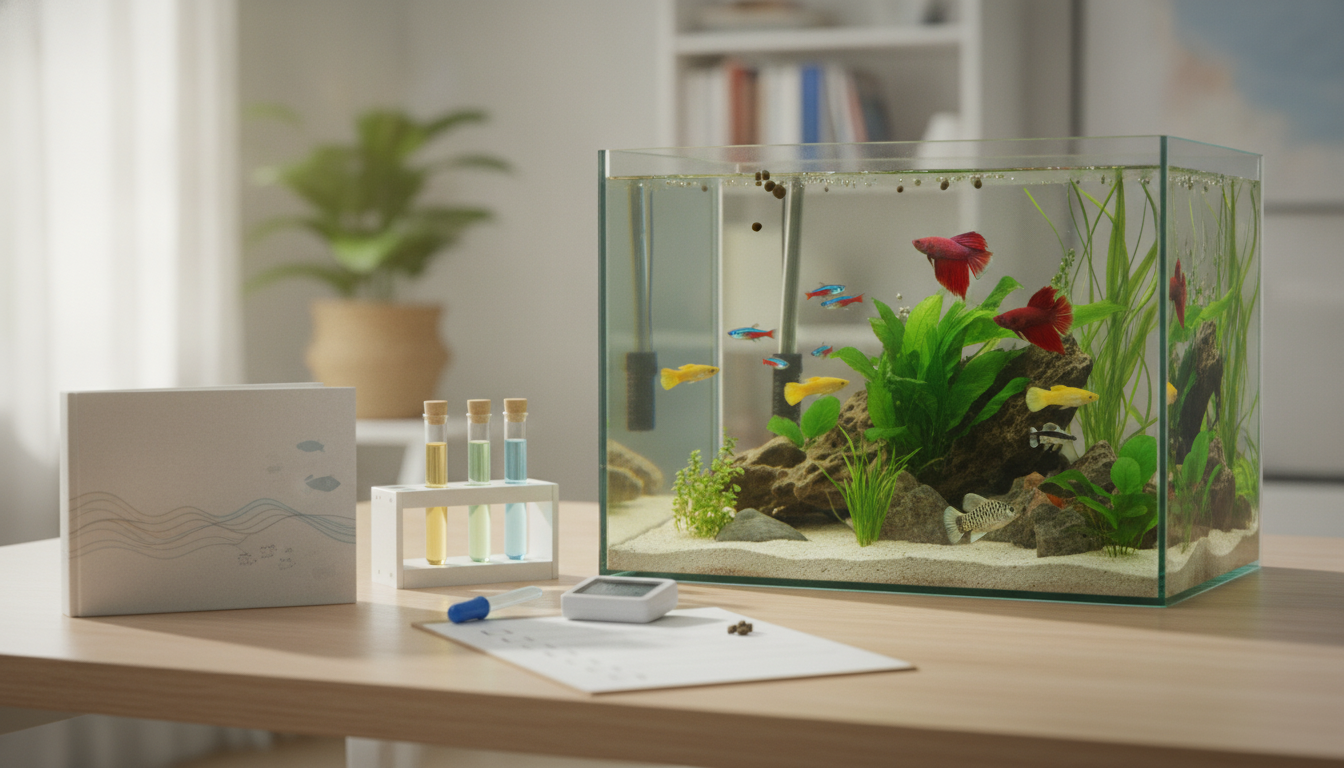
A healthy aquarium is built on routine: stable water parameters, low stress, careful introductions, and quick response when something looks off. This guide lays out a prevention-first system that works for brand-new hobbyists and experienced keepers—covering tank setup habits, quarantine, daily and weekly checklists, common warning signs, and how to choose safe next steps before disease spreads. For more guidance, see The effects of interacting with fish in aquariums on human health ….
Start with Stability: Why Fish Get Sick in “Normal” Tanks
Most aquarium disease outbreaks don’t begin with a “mystery germ.” They start with stress: rapid temperature shifts, poor water quality, overcrowding, bullying, or sudden changes in diet and lighting. When fish are stressed, their immune defenses dip, and issues that were previously contained can escalate fast. For further reading, see Fish | Healthy Pets, Healthy People | CDC.
It’s also common for pathogens to exist at low levels in many systems. The goal isn’t a sterile tank—it’s strong fish and consistent conditions so opportunistic infections don’t take hold. That’s why adding random medications at the first sign of trouble often backfires. Before treating symptoms, look for stressors and water-quality problems that triggered them.
One simple habit that pays off: keep notes. Track new fish dates, parameter readings, feeding changes, and unusual behavior. Patterns (like symptoms following a filter cleaning or a missed water change) become obvious when they’re written down.
Water Quality Fundamentals That Prevent Outbreaks
If you want fewer emergencies, start with the basics that protect gills and reduce chronic stress. The most important is cycling the aquarium before adding fish. A mature biofilter converts toxic ammonia to nitrite and then nitrate; without it, fish can suffer chemical burns and immune suppression even when the tank “looks fine.”
Test regularly, especially in new or recently changed tanks. Focus on ammonia, nitrite, nitrate, pH, and temperature. Aim for slow adjustments rather than chasing “perfect” numbers—stability is often safer than constant tinkering.
Consistency matters beyond test kits: stable temperature, steady filtration flow, and predictable lighting cycles keep fish calmer and reduce stress-related flare-ups. Always use a dechlorinator for tap water; chlorine/chloramine can injure fish and harm beneficial bacteria.
For maintenance, build a routine that supports the biofilter: do partial water changes, vacuum debris where it accumulates, and care for filter media without wiping out bacteria. When cleaning sponges or cartridges, rinse in removed tank water—not untreated tap water.
Common Warning Signs and First Checks
| What You See | Often Linked To | Immediate First Checks |
|---|---|---|
| Gasping at the surface, rapid breathing | Low oxygen, ammonia/nitrite burn, high temperature | Check ammonia/nitrite, increase aeration, confirm filter flow and temperature |
| Clamped fins, hiding, low appetite | Stress, bullying, poor water quality, early illness | Test water, observe tank mates, reduce sudden light/noise, confirm heater stability |
| White spots like salt grains | Ich/white spot disease or similar parasites | Check temperature stability, consider quarantine, avoid sudden dosing without a plan |
| Frayed fins or fin edges turning white | Fin rot secondary to stress/bacteria | Test water, address aggression, improve hygiene, consider isolation for observation |
| Bloating, pinecone scales | Fluid retention, organ issues, severe infection | Check diet/constipation risk, isolate, verify water quality; consider veterinary/aquatic specialist guidance |
Quarantine and Acclimation: The Most Effective Prevention Habit
A simple quarantine tank is one of the highest-impact tools in fishkeeping. It doesn’t need to be fancy—just a heater, a sponge filter, and a few hiding places. The point is to observe new fish before they enter your main aquarium, where treatment becomes harder and outbreaks spread faster.
Quarantine helps prevent introducing parasites and gives fish time to recover from shipping stress without competition at feeding time. Keep separate nets, siphons, and towels for the quarantine tank to reduce cross-contamination.
When it’s time to move fish, acclimate gently. Match temperature first, then slowly adjust to different water chemistry to reduce shock. During quarantine, observe daily: breathing rate, stool appearance, appetite, fin condition, and any flashing/scratching against surfaces.
Nutrition, Stocking, and Stress Reduction
A Simple “Observe–Test–Isolate–Correct” Response Plan
1) Observe
2) Test
3) Isolate
4) Correct
Building a Weekly Checklist That Keeps Tanks Healthy
Using a Step-by-Step Digital Guide to Prevent Disease Long-Term
For a focused, prevention-first reference, consider: The Guide to Disease-Free Aquariums | Digital Fish Care Guide for Healthy Tanks | How to Prevent Fish Disease eBook for Beginners and Experts.
If you also want a simple way to plan ongoing hobby costs (quarantine setup, test kits, food variety, and backups), this budgeting-oriented digital read can help: 3 Smart & Simple Ways Millennials Can Start Investing Today | MRR Guide | Financial Freedom eBook | Passive Income for Beginners | 3 Ways Millennials Can Invest PDF.
For deeper background on fish health and responsible treatment decisions, these sources are helpful: Merck Veterinary Manual — Aquarium Fish and U.S. FDA — Aquaculture (fish drugs overview).
FAQ
How long should new fish be quarantined before adding to the main tank?
A practical quarantine window is usually 2–4 weeks with daily observation of appetite, breathing, fins, and behavior. Extend quarantine if any symptoms appear, and only move fish once they’re stable and eating well.
What should be checked first when fish look sick but there are no obvious spots or wounds?
Start with water and oxygen: test ammonia, nitrite, nitrate, and confirm temperature stability and strong aeration/filter flow. Then review recent changes and stressors like aggression or overcrowding before considering medication.
Is it safe to treat the whole aquarium with medication as a precaution?
Routine “just in case” dosing can stress fish, impact invertebrates/plants, and may disrupt the biofilter depending on the product. Isolating affected fish and using targeted treatment after stabilizing conditions is typically the safer approach.















Leave a comment